What Affordability Really Means
An affordability check is not asking if you have the money. It is asking if losing that money would harm you. The UK Gambling Commission requires it. The question gets asked before the wager settles.
This is paternalism written into regulation. It is not business practice. It is law.
The First Layer: Income Assessment
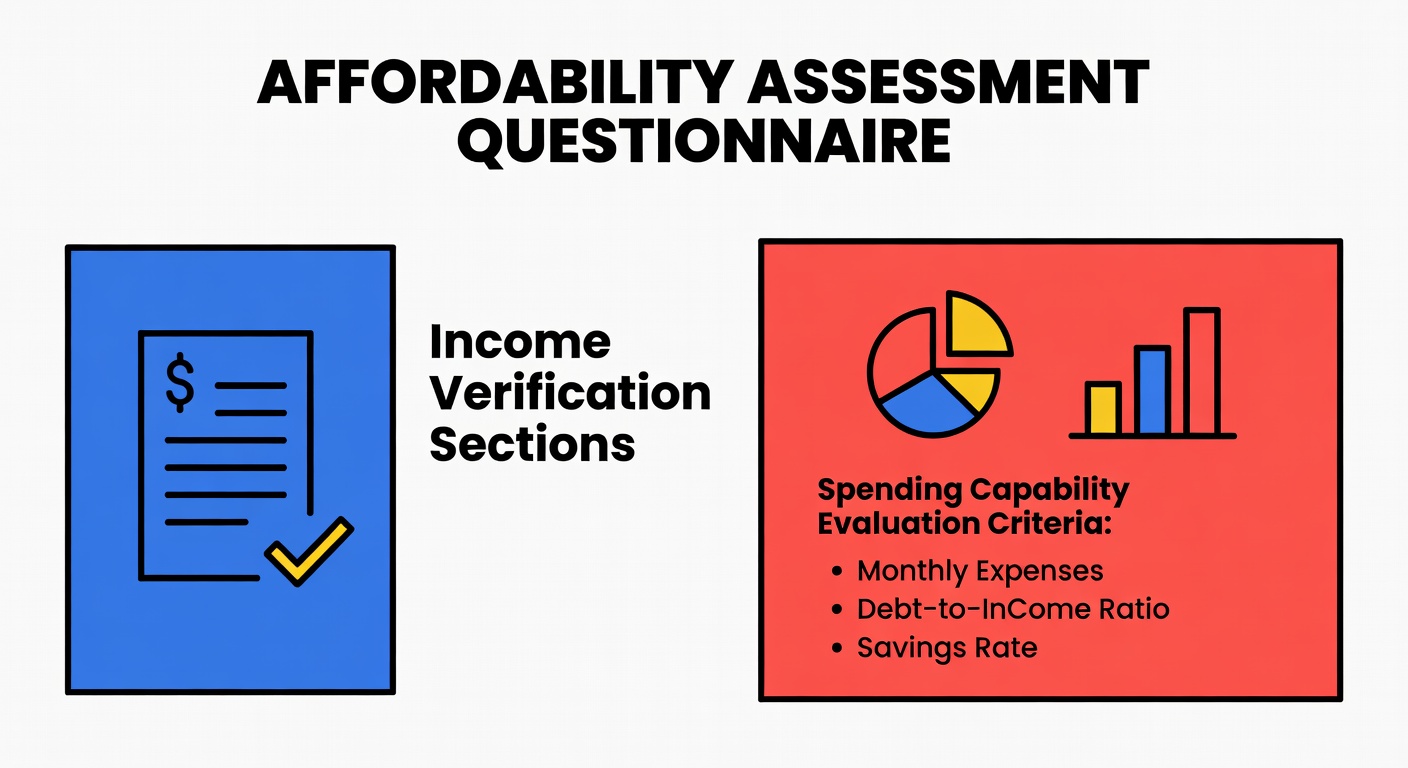
When you sign up at a UK operator, they ask for employment status. Self-employed. Salary employee. Benefit-dependent. Unemployed. The question seems straightforward. The answer determines how much you can spend.
If you are unemployed and betting 100 pounds per week, the operator must assess whether that is harmful. If you are earning 100,000 pounds per year and betting 100 pounds per week, the assessment is different.
The operator does not have perfect information. They know what you told them. They can cross-reference against credit bureaus, but that takes time and costs money. Most operators do the minimum required by regulation: they ask, they record, they proceed.
The Second Layer: Betting Pattern Analysis
If you are losing consistently and your betting is increasing, the operator is supposed to notice. They are required to flag accounts showing:
- Rising bet sizes with falling win rate
- Increased frequency of play
- Higher total wagered compared to income
The mechanism is automated. Algorithms scan accounts. Flags trigger customer-service interventions. The operator must contact you and ask if you are okay.
The honest answer is that most operators do this at minimum compliance. They run the scan. They generate the list. They send the email. Many people delete the email.
What the Operator Cannot Know
An affordability check cannot account for:
- Loans you have taken
- Family support you are receiving
- Assets you are liquidating
- Debt you are accruing
The operator sees money flowing into betting accounts. They do not see where that money came from. You could be mortgaging your house. You could be borrowing from friends. The affordability check is a fence built on incomplete information.
The Regulatory Fiction
The Gambling Commission assumes operators can be effective gatekeepers. The regulation is written as if affordability checks prevent harm. The evidence is more complicated.
Studies show that most people who receive affordability warnings ignore them. Some change their behavior. Some simply switch operators. Some deposit more to compensate for the perceived judgment.
The regulation is not about prevention. It is about documentation. If an operator receives a complaint from a customer claiming they lost money they could not afford, the operator can point to the affordability check and say, "We asked. You told us your income. We assessed it. We sent you a warning."
This is liability protection disguised as consumer protection.
What Affordability Looks Like in Practice
You join an operator. You answer income questions. Your account is created. For two weeks, you bet normally. Then you start losing. Your betting increases. Your wins decrease. The algorithm notices.
You receive an email: "We have noticed your betting patterns. Are you okay? Please contact us."
You ignore it. Your betting increases more. You reach your deposit limit (if you have set one). You increase it. The operator sends another email.
At some point, the operator can suspend your account and require you to call. You call. They ask if you are gambling within your means. You say yes. Your account reopens.
This loop is the affordability framework. It is visible, documented, and mostly ineffective.
The Uncomfortable Truth
Affordability checks exist because regulation requires them, not because they work. The operators comply. They scan. They flag. They contact.
But the responsibility ultimately lands on you. You know your income. You know what you can afford. If you cannot stop, no email from the operator will help.
The regulation assumes the operator's intervention matters. Sometimes it does. Often it does not. The operator is not your financial advisor. They are your counterparty. They profit when you lose. The affordability check is the minimum they must do to operate legally.
It is something. It is not enough.