The house's advantage on slots is not hidden. It is stated, audited, published. I ignored all of that. That was on me.
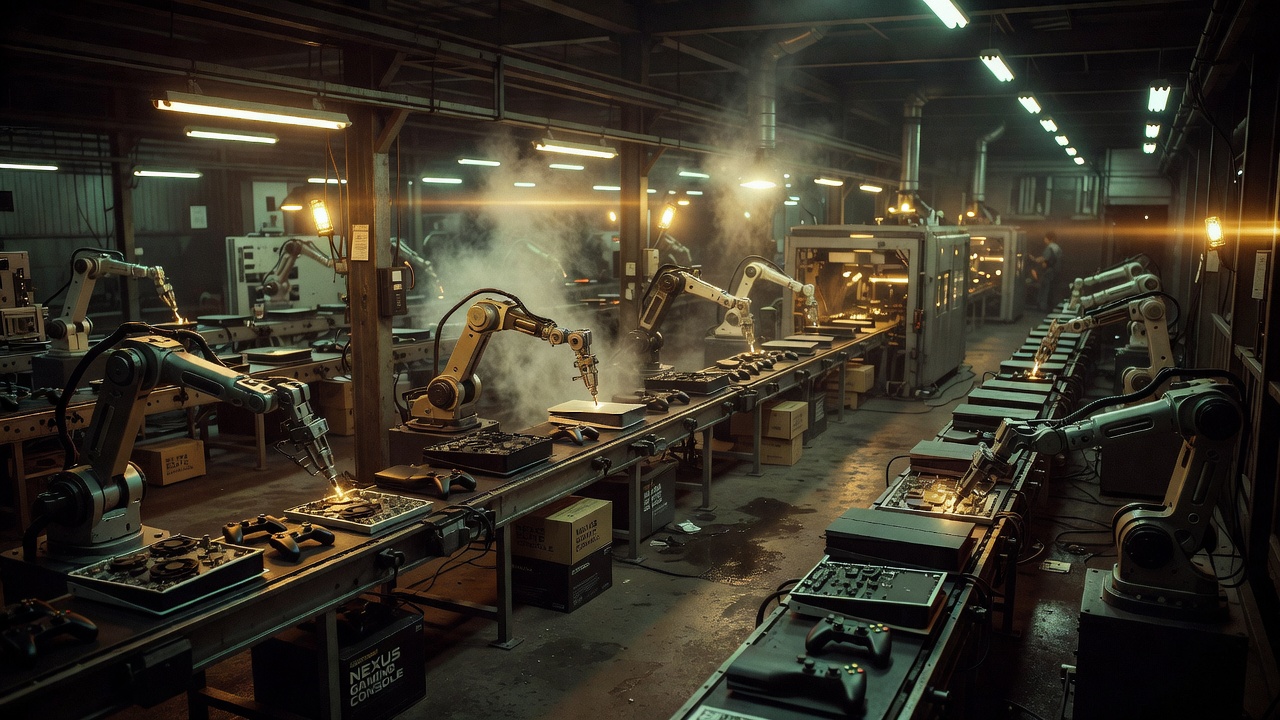
Bally manufactured the first electromechanical slot machine in 1963. Before that, slots were mechanical. They worked on springs and gears and simple mathematics. A Bally machine added computers. Not large computers. Smaller computers. But computers nonetheless.
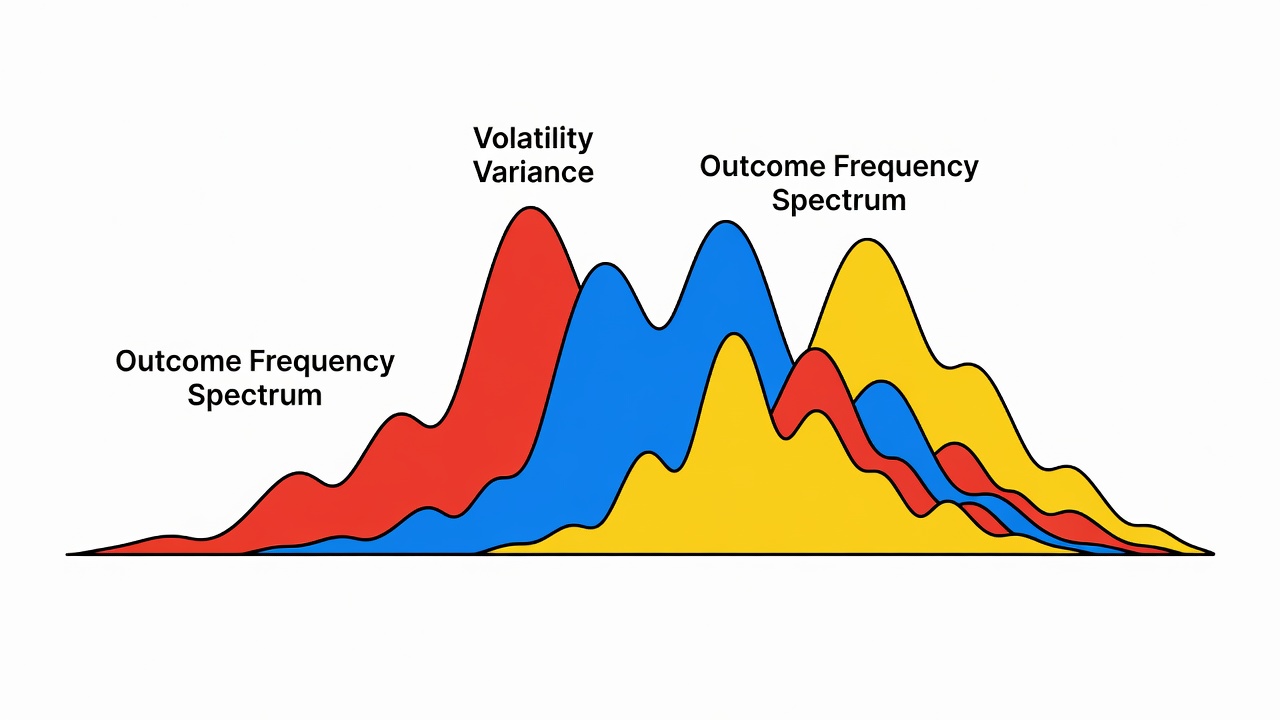
Why does this matter? Because once a machine could be programmed, the house could be programmed. The variance could be tuned. The payout percentages could be set with mathematical precision rather than mechanical guesswork.
The Business Model
IGT went public in 1981. By the early 1990s, they dominated the industry. Their machines were in every casino. Their philosophy was simple: create games that kept people playing longer. Not just games that took more money. Games that felt winnable.
The machines were beautiful. The screens were bright. The sounds were carefully engineered. If you won small amounts frequently, you felt like you were beating the system. The big wins were rare enough to feel special but regular enough to keep you believing it would happen again.
I know this because I experienced it. I was a regular slot player. I understood the math and played anyway. The machines are designed for exactly this situation: informed people who understand they have no edge but play anyway because the experience is worth something.
That value proposition is not dishonest. It is just not in your favor.
The Technical Evolution
Bally's original innovation was adding software to hardware. They could change the payouts by changing the code. They could adjust volatility. They could create bonus rounds that increased the player's sense of control (you press a button to reveal a prize, feel like you influenced the outcome).
IGT took this further. They created what became the standard architecture for modern slot machines: a game engine that could run thousands of different games on the same hardware. A casino could swap software without swapping the physical cabinet.
Williams Electronics followed. Then companies like Konami, Aristocrat, and Pragmatic Play. Each generation added more sophistication to the psychological engineering.
None of this is secret. The RTPs are published. The volatility ratings are available. The mechanisms are explained in gaming commission filings. I read these documents. I understood the structure. I played anyway.
What I Missed
When I was playing regularly, I thought I was playing against probability. I was playing against probability, but I was also playing against the company's intentional design. Bally and IGT did not just create games that had a house edge. They created games that made losing feel like almost-winning.
A slot machine that pays out 94 percent (meaning a 6 percent house edge) can be designed to feel like you're winning constantly. Near-misses feel close. Small wins come regularly. Big wins feel possible. The psychological effect is that you feel like you're doing okay even as you're slowly losing.
I played 400,000 dollars into this. Not all at once. Over five years. Regular sessions where I'd put down a few hundred, play for an hour, lose most of it, and feel like I'd almost had a win that would've covered everything.
The companies did not invent losing. They invented the experience of losing while almost winning. That is their contribution. That is their skill.
The Present
Modern slot machines are more sophisticated. Online slots have even more tools: animations, sounds, stories that unfold as you play. The game is no longer just spinning reels. It's a narrative with multiple acts where you win and lose chapters.
Bally and IGT set the foundational principle: the game works better if it makes you feel like you're close. That principle still drives the industry.
I quit slots because I finally believed the math enough to live by it. The realization was simple: I cannot beat a system designed by people smarter than me, playing against probability in their favor, with every psychological angle engineered to keep me playing.
The companies that built this system were not predators. They were engineers solving a problem for their client (the casinos). The solution they created works. That is not their fault. That I played anyway is mine.