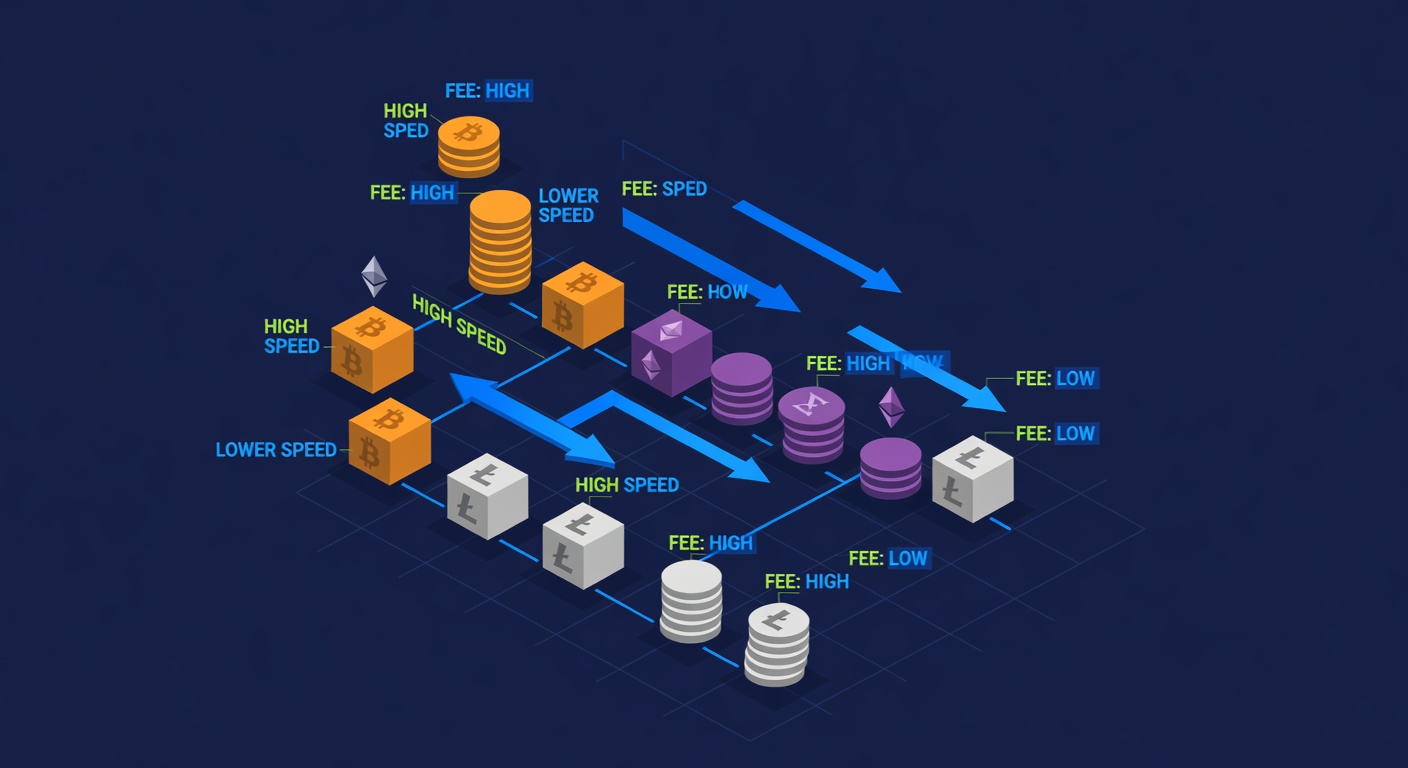
Bitcoin: The Standard Bitcoin is accepted everywhere. Literally every crypto gambling platform takes Bitcoin. The network is secure, proven, and nearly impossible to attack. But Bitcoin is slow. A deposit might take 10 to 60 minutes to confirm, depending on network congestion. Fees can spike during peak hours. For deposits, Bitcoin works. For fast play, it's frustrating. You deposit, wait 30 minutes, then play. ## Ethereum: The Fast Alternative Ethereum processes transactions faster than Bitcoin. 15 to 30 minutes is typical. The fees are also lower during normal network conditions. Most modern crypto gambling platforms accept Ethereum. If you're playing on a current-generation sportsbook or casino, Ethereum is almost certainly available. The downside: if the network is congested (it gets congested), fees spike dramatically. During the 2021 bull market, Ethereum fees exceeded $50. You'd deposit $100 and lose $20 to fees. ## Litecoin: The Underdog Litecoin settles transactions much faster than Bitcoin. 2 to 5 minutes is standard. Fees are minimal. Fewer casinos accept it than Bitcoin or Ethereum, but the major platforms do. If your platform supports Litecoin, it's worth considering purely for speed. Litecoin has never achieved Bitcoin's cultural dominance, so it's less liquid if you need to convert back to fiat quickly. ## Stablecoins: The Safety Play USDC, USDT, and other stablecoins peg their value to the US dollar. No volatility risk while holding them. They settle on Ethereum or other networks. The tradeoff is that some casinos don't support them yet, though adoption is increasing. If you want zero cryptocurrency price risk, stablecoins eliminate it. You deposit $100 USDC, it's $100 when you withdraw. ## Layer 2 Solutions Arbitrum, Polygon, and other Layer 2 networks let you deposit crypto with minimal fees and near-instant confirmation. These are newer and not all casinos support them, but adoption is accelerating. If your casino supports Arbitrum, use it. Fees might be $0.50 instead of $5. ## The Practical Choice For a player in 2026, here's the ranking: Ethereum for speed and fee balance at major platforms, Bitcoin if you want universality, Litecoin if your platform supports it, and Layer 2 if available. Stablecoins if you want zero price volatility. Avoid older coins that only niche casinos accept; liquidity becomes a problem. ## Deeper Understanding Mastering this topic requires consistent attention to the details. The surface-level understanding is often insufficient for making optimal decisions. Experienced players take time to understand the underlying mechanics and psychology. They don't rely on intuition alone; they use data and analysis. Over time, this disciplined approach compounds. Small edges accumulate into substantial advantages. casual player seeking entertainment or someone trying to maximize value, understanding these mechanics improves your decision-making. The information is available. The effort to learn is up to you. ## Advanced Considerations Once you master the basics, deeper complexity becomes apparent. Industry professionals work within layers of constraints and opportunities that casual observers miss entirely. Regulatory frameworks shape market dynamics. Technological limitations determine what's possible. Competitive pressures force constant adaptation. Understanding these systemic forces helps you anticipate changes and adjust your strategy accordingly. The casinos and sportsbooks employ teams of specialists to optimize every variable. They study player behavior extensively. They test variations continuously. They measure impact precisely. As a player, you can adopt similar disciplined approaches to your own decision-making. Track your results. Analyze your patterns. Look for biases in your thinking. Question your assumptions regularly. This level of intentional practice distinguishes strong players from average ones.