Live Dealer Game Show Crossovers: Are They Really Table Games?

Live Dealer Game Show Crossovers: Are They Really Table Games?

Maya Rojas
Share

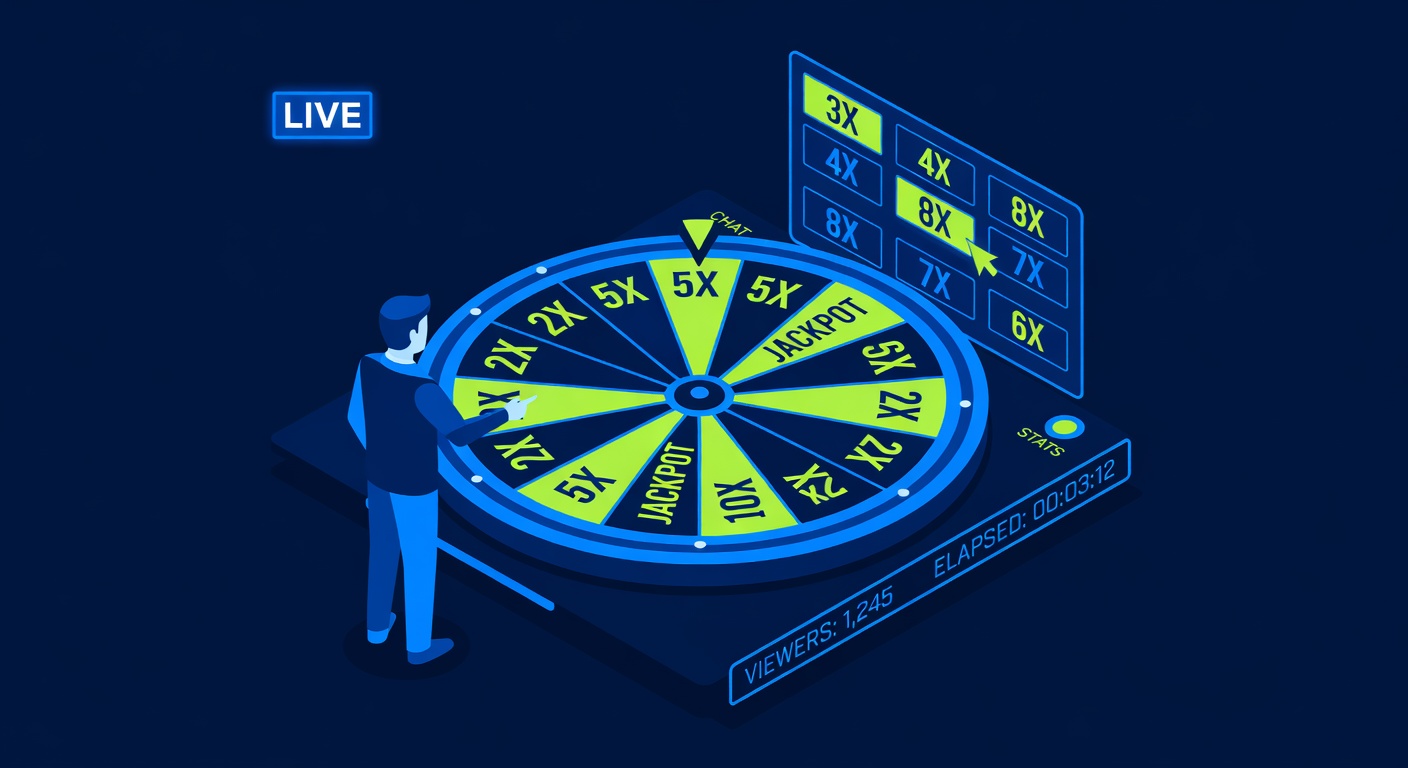
The Hybrid Nature Traditional live dealer games (blackjack, roulette, baccarat) use standard casino equipment. A deck of cards. A roulette wheel. A dealer. The outcome is determined by physical randomness. Game shows like Crazy Time or Dream Catcher use a mechanical wheel and a live presenter, but the outcome is determined by the casino's RNG, not physical randomness. The mechanical wheel is a display. ## The Question Are these table games or slots with a theatrical presentation? The answer affects regulation. Some jurisdictions classify them as slots (with associated RTP reporting). Others classify them as live games. ## The Mechanics You bet on an outcome. The wheel spins (mechanically or virtually). A result appears. You win or lose. The RNG determines the result before the wheel spins. The wheel is just showing the predetermined outcome. This is fundamentally different from a roulette wheel where the outcome is truly determined by physics. ## The Player Experience Game shows feel more engaging than slots because of the live presenter and the showiness. But functionally, they're slot machines with better presentation. The house edge is built in. The RNG is controlling the outcome. ## The Regulatory Treatment The MGA and UKGC treat them as table games if they use physical equipment determining outcomes, and as slots if the RNG determines outcomes before display. The distinction matters for RTP reporting and licensing. ## The Popularity Players love game shows because they offer higher engagement than traditional slots. The live presenter creates a sense of community. Multiple players are betting simultaneously. The experience is more social. From a casino perspective, game shows have excellent metrics. Player retention is high. Average session length is long. The games are profitable. ## Deeper Understanding Mastering this topic requires consistent attention to the details. The surface-level understanding is often insufficient for making optimal decisions. Experienced players take time to understand the underlying mechanics and psychology. They don't rely on intuition alone; they use data and analysis. Over time, this disciplined approach compounds. Small edges accumulate into substantial advantages. casual player seeking entertainment or someone trying to maximize value, understanding these mechanics improves your decision-making. The information is available. The effort to learn is up to you. ## Advanced Considerations Once you master the basics, deeper complexity becomes apparent. Industry professionals work within layers of constraints and opportunities that casual observers miss entirely. Regulatory frameworks shape market dynamics. Technological limitations determine what's possible. Competitive pressures force constant adaptation. Understanding these systemic forces helps you anticipate changes and adjust your strategy accordingly. The casinos and sportsbooks employ teams of specialists to optimize every variable. They study player behavior extensively. They test variations continuously. They measure impact precisely. As a player, you can adopt similar disciplined approaches to your own decision-making. Track your results. Analyze your patterns. Look for biases in your thinking. Question your assumptions regularly. This level of intentional practice distinguishes strong players from average ones. ## The Role of Discipline Success in any gambling-related pursuit ultimately comes down to discipline. It's not sexy. It's not exciting. But discipline is what separates winners from losers over time. This means setting limits before you play, not during. It means sticking to your strategy even when it feels wrong. It means accepting losses without trying to recover them immediately. It means celebrating wins appropriately but not letting them inflate your risk-taking. The casino environment is designed to undermine discipline. Everything about the physical or digital space encourages emotional decision-making. Bright lights, constant noise, fast-paced action, all of it works against your rational mind. Successful players recognize this and prepare accordingly. They use external commitments and tools to enforce discipline. They don't rely on willpower in the moment.

Related posts