Mobile Sports Betting vs Desktop: Pros and Cons

Mobile Sports Betting vs Desktop: Pros and Cons

Noah Grant
Share

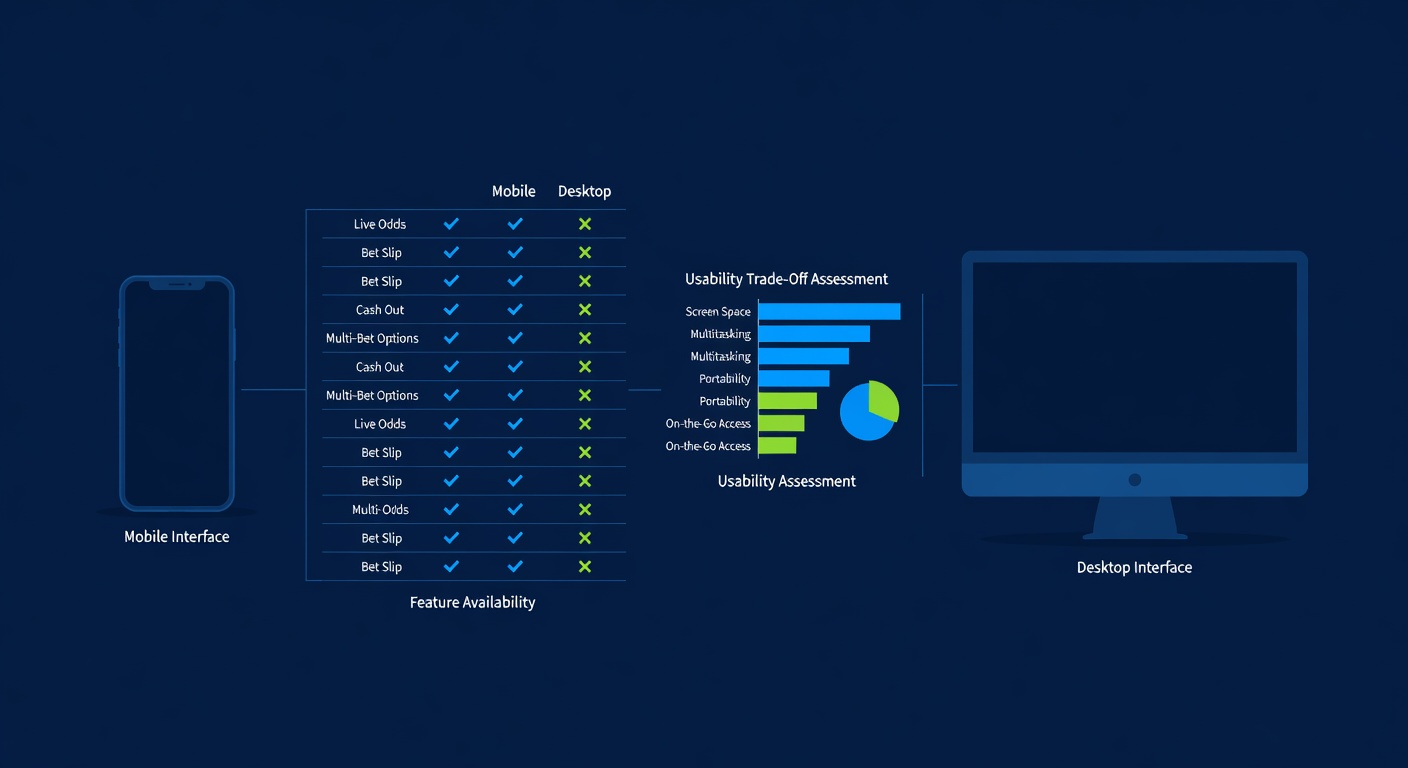
Mobile Advantages You can bet from anywhere. On a break at work. Waiting for a flight. The moment you see a line you like, you place it. This is the entire point. Mobile is about convenience and speed. Apps from Stake, DraftKings, Bet365 are optimized for quick wagering. Two taps and you're done. Mobile push notifications alert you to important odds movements. You don't have to monitor lines constantly. The app tells you when something worth betting arrives. This is valuable for sharp bettors who want to catch closing odds shifts. ## Mobile Disadvantages The screen is small. You see one bet at a time. Building a complex parlay on mobile is tedious. You can't see your entire betting history and open tickets at once. Research is harder. Reading team news, checking injury reports, comparing lines across multiple sportsbooks, all harder on a small screen. ## Desktop Advantages You see everything. Multiple lines for the same game. Your full betting history. Live odds. Chat. Commentary. Comparison tools. Desktop is built for serious analysis. If you're doing real work, desktop is the only choice. ## Desktop Disadvantages You're tied to a location. You need to be at your desk or at least at a computer. You miss in-the-moment betting opportunities. By the time you get to a computer, the line has moved. For casual bettors, this might be fine. For professionals, missing a key moment costs money. ## The Practical Choice For sharp bettors with limited time at a desk, mobile is essential. For casual players, mobile is perfect. For professionals doing serious analysis and building complex strategies, desktop is primary. Smart bettors use both: analysis and planning on desktop, execution on mobile. ## Deeper Understanding Mastering this topic requires consistent attention to the details. The surface-level understanding is often insufficient for making optimal decisions. Experienced players take time to understand the underlying mechanics and psychology. They don't rely on intuition alone; they use data and analysis. Over time, this disciplined approach compounds. Small edges accumulate into substantial advantages. casual player seeking entertainment or someone trying to maximize value, understanding these mechanics improves your decision-making. The information is available. The effort to learn is up to you. ## Advanced Considerations Once you master the basics, deeper complexity becomes apparent. Industry professionals work within layers of constraints and opportunities that casual observers miss entirely. Regulatory frameworks shape market dynamics. Technological limitations determine what's possible. Competitive pressures force constant adaptation. Understanding these systemic forces helps you anticipate changes and adjust your strategy accordingly. The casinos and sportsbooks employ teams of specialists to optimize every variable. They study player behavior extensively. They test variations continuously. They measure impact precisely. As a player, you can adopt similar disciplined approaches to your own decision-making. Track your results. Analyze your patterns. Look for biases in your thinking. Question your assumptions regularly. This level of intentional practice distinguishes strong players from average ones. ## The Role of Discipline Success in any gambling-related pursuit ultimately comes down to discipline. It's not sexy. It's not exciting. But discipline is what separates winners from losers over time. This means setting limits before you play, not during. It means sticking to your strategy even when it feels wrong. It means accepting losses without trying to recover them immediately. It means celebrating wins appropriately but not letting them inflate your risk-taking. The casino environment is designed to undermine discipline. Everything about the physical or digital space encourages emotional decision-making. Bright lights, constant noise, fast-paced action, all of it works against your rational mind. Successful players recognize this and prepare accordingly. They use external commitments and tools to enforce discipline. They don't rely on willpower in the moment.

Related posts