You know what separates the grinders from the burnouts? It's not bankroll size. It's not luck. It's structure. The players who last are the ones who set boundaries before they sit down.
Reality Check Features
Most casinos now offer something called a reality check feature. Sounds simple, right? It pops up on your screen every 30 minutes and basically says, "Hey. You've been playing for half an hour. Do you want to keep going?" You'd think nobody needs that. You'd be wrong.
There's real data on this. When players see that notification, they walk away roughly 40 percent more often than if they don't get one. It's not shame. It's clarity. The brain in the moment doesn't track time the way it should. A popup that says "You've been playing for 90 minutes" feels different than you think it does.
Some platforms let you customize it. Every 20 minutes instead of 30. Every hour. Once per session. Pick the interval that actually matters to you, not to the casino.
Session Limits: Hard Stop
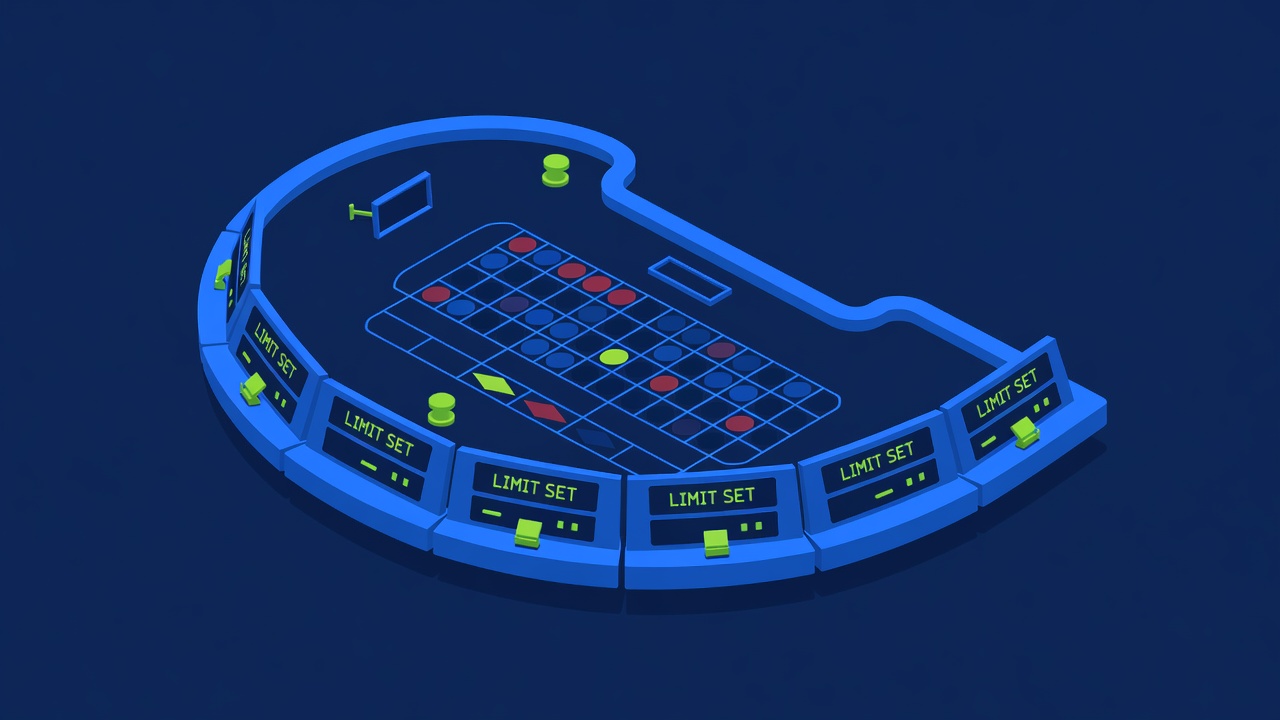
This is where it gets serious. A session limit says: when you hit this time boundary or this loss amount, the account locks. Not "you can't play if you want to." Locks. The casino's software doesn't let you back in until tomorrow.
The best players in the world set loss limits. They know the number they can afford to lose without it hurting. They set it on the first hand. And then they follow it. When you hit that number, you get a notification, and five minutes later, game over. Account closed for 24 hours.
This is not weakness. This is the opposite of weakness. Knowing your number and sticking to it is the mark of someone who's thought about what they're doing.
Deposit Limits: Money In
Your casino account gets $500 per day. That's it. No amount of clever thinking gets more money into that account until the next day. You can't edge around this. You can't negotiate with the software. It just doesn't happen.
Deposit limits work because they create a hard boundary on how much you can move from your actual bank account into the gambling ecosystem in a given period. A week limit is stronger than a daily one. A monthly limit is stronger than a week. Pick the framework that forces you to think before you act.
Cooling Off Periods
Some players need more than a reality check. They need a hard pause. A cooling off period locks you out of your account for a set duration. 24 hours. 48 hours. A week. You choose, and you can't undo it until the time expires.
This is for the sessions that don't feel right. The ones where you've lost more than expected or won more than expected and suddenly the table's voice is very loud. You can request a cooldown at any time. The system enforces it. You don't get a second chance to talk yourself out of it.
Self-Exclusion: The Nuclear Option
If gambling has stopped being fun and started being something else, self-exclusion exists. A 6-month ban. A year ban. Permanent. You tell the operator you're out, and you're out. That operator cannot offer you anything. No special bonuses to come back. No "we miss you" emails. Nothing.
Multiple casinos now share self-exclusion data through registries like GameStop or BeGambleAware. Sign up once, and many operators see that marker. You're protected across the ecosystem.
The Actual Play
These tools only work if you use them before things feel urgent. Set them during your first session, not your worst one. The players who survive long term aren't the ones with the biggest bankrolls. They're the ones with discipline written into their software.
Your brain in the moment will always think it needs more time, more money, one more hand. Your brain tomorrow will be grateful you had the foresight to stop it.