Report No. 173
Player Fund Segregation: How Regulators Protect Balances
You want to know the one thing that keeps your money safe? It ain't the operator being nice. It's segregation. Fund segregation.
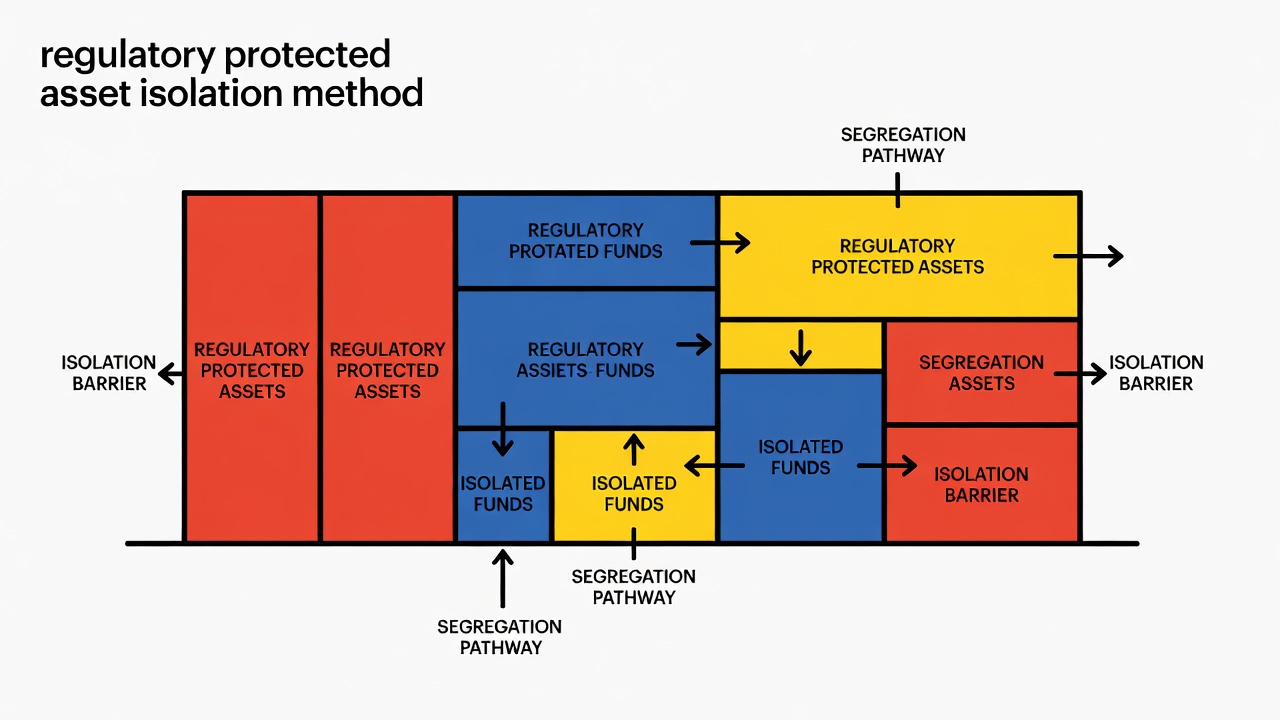
The brief
Listen. You want to know the one thing that keeps your money safe? It ain't the operator being nice. It ain't their promise to not steal from you. It's segregation. Fund segregation. You follow me?
Back in the day, before regulation, the casinos just kept player money in the same account as their operational money. Operating fund, player fund, all mixed together. You think that ended well? Course it didn't.
One bad month, operator dips into player funds to cover losses. Boom. Players lose everything. No recourse. Casino goes under. Regulators said no more.
How It Works, Simple as That
Now here's the thing. Licensed casinos, they got to keep your money separate. Literally separate. Different bank accounts. Different banks, sometimes. Different jurisdictions.
The rules vary by regulator:
- UKGC says: player funds in a segregated account, held by a licensed bank, separate from operator funds. Audited quarterly.
- MGA says: same thing. Segregated accounts. Trust funds only for player money. No mixing.
- Curaçao says: same idea. Different execution. Requires surety bond instead of bank segregation in some cases.
Operators like DraftKings and Stake got millions in player funds sitting in banks right now. Not their money. Your money. In your name.
Here's where it gets smart. The operator can't touch it. Not for payouts (they use operational funds for that), not for taxes, not for nothing. If the casino goes belly-up tomorrow, that money stays in segregation. The regulator forces it back to players before the operator's creditors see a nickel.
That's the law. That's the architecture.
The Audit Game
But how do you know it's really segregated? How do you know the operator ain't moving money around when the auditor ain't looking?
That's where the audit comes in. Licensed casinos get checked quarterly, minimum. Sometimes monthly. An external auditor (not the operator, not the regulator, a third party) shows up and counts the money.
- Opens the bank statement.
- Verifies the account balance.
- Compares it to the operator's ledger of how much they owe players.
- Reconciles the two.
- If the numbers don't match, they flag it.
You want to know what happens if they don't match? Regulator gets a report. Operator gets fined. In bad cases, license gets suspended.
It happened in 2024 with a Curacao operator (I won't name names, but it was bad). Auditor found 40 million dollars missing from segregation. Money they couldn't trace. UKGC revoked the license immediately. Players' money was recovered from a bond the operator had posted.
Fund segregation isn't a feature. It's the only thing standing between you and losing everything if the house burns down.
The Fine Print You Don't Read
Now look. If an operator is licensed in multiple jurisdictions, they might have segregated accounts in each one. Regulated UK casino got UK segregation. MGA license got Malta segregation. Curacao license got Curacao coverage.
Your money goes into whichever account matches your jurisdiction. Or they put it all in the strictest one. Depends on the operator.
What you gotta understand is this: if the operator goes bust, there's a recovery process. Regulator takes control. Auditor verifies how much you're owed. Segregated funds get distributed. Could take weeks. Could take months.
But you get it back. That's the deal.
Unregulated casinos? Different story. No segregation requirement. No audit. No recovery. You bet, you lose, the casino keeps it. No oversight. No protection.
So when you're picking a place to play, first question should be: are they licensed? Second question: who's the regulator? UKGC, MGA, Curaçao all got segregation rules.
Everything else is just noise.