The Setup and History
Mega Moolah is a Microgaming progressive slot that launched in 2006. The 19 million pound win happened in 2018. That's nearly 24 million US dollars at the time. A player on the Isle of Man hit it. One spin. One life change.
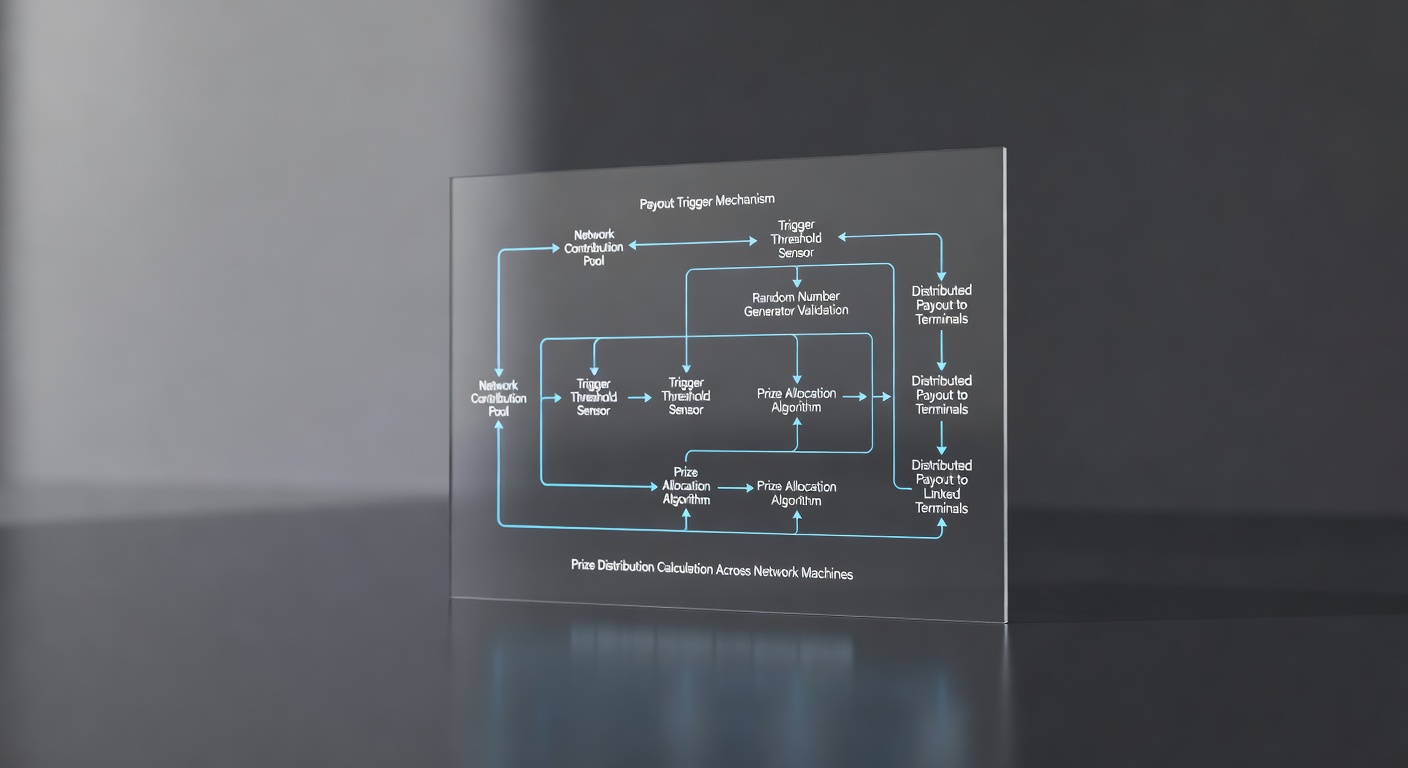
But you need to understand something about progressive slots before we talk about wins. The machine is not built to pay out large jackpots frequently. It's built to accumulate them methodically over time. Every single spin from every single player adds a percentage to the jackpot pool. Mega Moolah feeds that pool from thousands of casinos operating worldwide, all feeding money into one meter. The system is designed to create increasingly large payouts.
How the Money Gets There
You play Mega Moolah at a bet of, say, 5 pounds per spin. A portion of that bet, typically 1.5 to 4 percent depending on the casino's configuration, goes directly into the progressive jackpot pool. The return to player (RTP) might be 88 percent on regular game play. That means over time, players lose 12 percent of their total wagered money to the house. But simultaneously over that same time, players are feeding the jackpot pool with their contributions.
There's careful mathematics behind this. Microgaming sets the meter so that occasionally, someone wins. If nobody wins for a year, the jackpot grows continuously. Casinos know this pattern. Players know this pattern. The pool gets fat. Players begin to think their odds improve. They don't. The RTP stays at 88 percent regardless of jackpot size. A 2 million pound Mega Moolah has the exact same house edge as a 19 million pound one. The size of the prize doesn't change the mathematics of the game.
The Player Who Actually Won
The Isle of Man player placed their bet on that particular spin. They hit the Mega Moolah bonus round. That's where the four progressive tiers are actually located. They hit the wheel that landed on the top prize tier. One in several million hands. It happens.
I've worked surveillance long enough to know that when large wins happen, people immediately ask if something went wrong. Did the machine malfunction? Was there a glitch in the system? With slots as heavily regulated as Mega Moolah by the MGA and other gaming authorities, the answer is almost always no. The win is legitimate. The player did nothing special. They placed a bet at the exact moment the RNG returned that winning combination.
What It Cost to Win
That player got 19.4 million pounds. Before taxes. Before fees. The payout was real. But consider what else happened simultaneously. Thousands of other players at hundreds of casinos worldwide contributed to that meter accumulation. They lost money so someone could win it all.
The Isle of Man player didn't know their bet would trigger the win. Neither did the previous thousand players. Neither did the ten thousand before that. The machine just accumulated silently. When it hit, it hit. That player just happened to be standing in front of it.