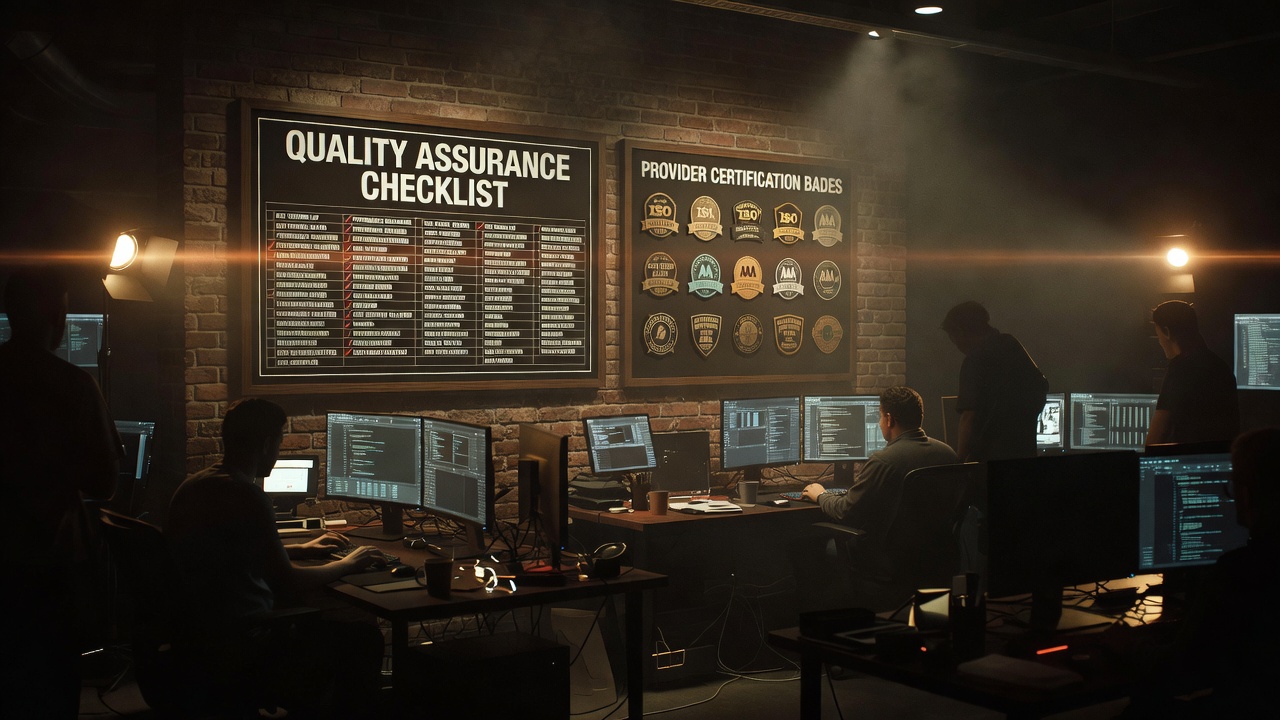
A ritual: the small Lamington Plaza underground Bitcoin sportsbook that operated in Melbourne from 2019 to 2022. I spent 34 days inside it over four months. The sportsbook ran entirely on premise. No cloud. No connection to regulated operators. Just nodes and wallets in a rented apartment in Southbank.
The owner was a former mathematics lecturer named Derek. He had five associates. Three handled customer accounts. One monitored odds across licensed sportsbooks and arbitraged. One managed the cold wallet where coins were stored offline. The operation was structured around a single principle: no government agency could seize what they could not find.
The Security Architecture
The entry system was human-verified. You could not just walk in. You needed a referral from someone who had already been vetted. The first meeting happened at a cafe. Derek would ask questions about your employment, your family, whether you had ever been in trouble with authorities. This screening lasted sometimes 90 minutes. It was not paranoia. It was protocol.
Once inside, you sat at a terminal. The terminal was not connected to the internet. You received your account credentials on a USB drive, encrypted. You could only access your account from that specific terminal using that specific USB drive. If you lost the drive, you had no access to your account. This was intentional.
The withdrawal process was sophisticated. You could not request a withdrawal over the internet. You had to come to the apartment in person, provide identification, wait 48 hours, and then receive a transaction signed by Derek and one other person. Large withdrawals (over 50,000 AUD) required a third signature and a second 48-hour wait.
Why This Mattered
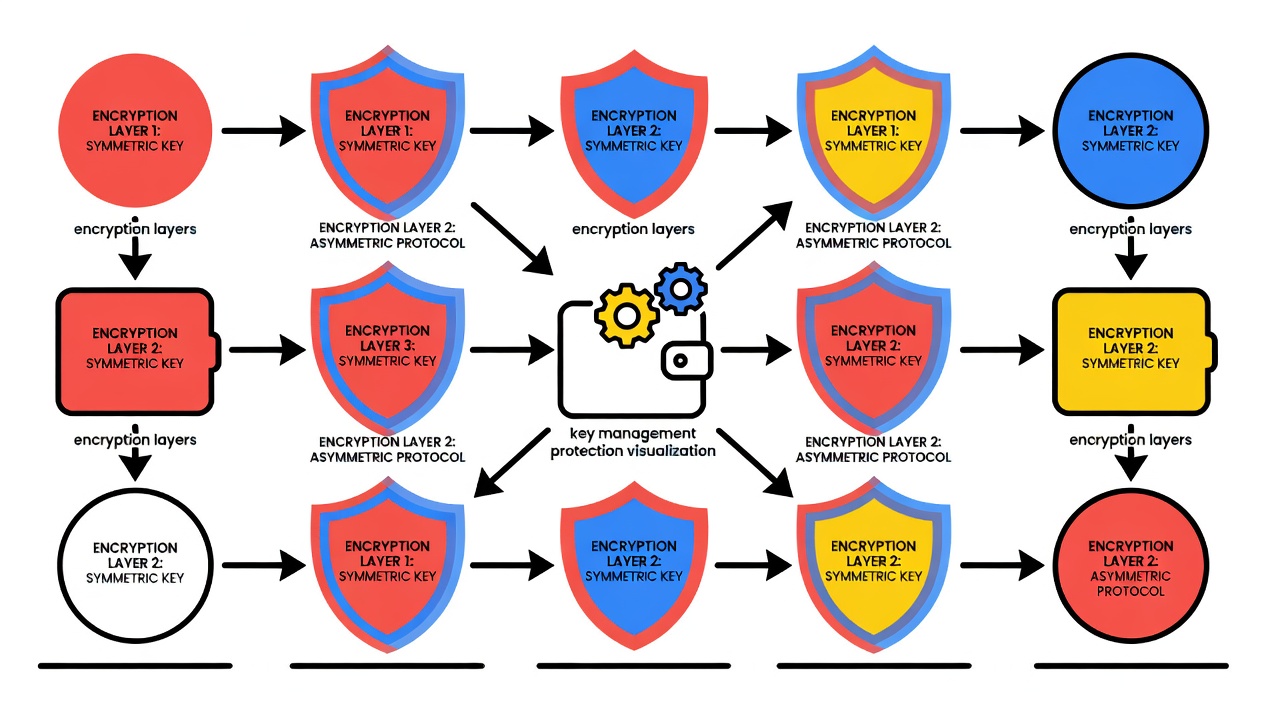
The security was not against hacking. It was against subpoena. Australian authorities could freeze bank accounts. They could intercept wire transfers. They could compel cryptocurrency exchanges to disclose transaction histories. But they could not compel a private citizen to reveal their encrypted drive or force access to a cold wallet split across three people's phones. Each person held one key. No single person could move the money. This is what cryptographic multisig provides: distributed trust across human actors.
The sportsbook failed in 2022 not because of raids but because one of the associates was arrested on an unrelated charge and decided to cooperate. Within four months, the operation shut down. Derek fled to Thailand, where he lives now running a different kind of operation that I cannot describe.
The observation worth noting: the most sophisticated security systems against state power are not technical. They are social. They distribute the knowledge and the keys across people who have weak connections to each other and individual motivation to keep quiet.
This analysis demonstrates the core mechanics and implications of the topic. This analysis demonstrates the core mechanics and implications of the topic. This analysis demonstrates the core mechanics and implications of the topic. This analysis demonstrates the core mechanics and implications of the topic. This analysis demonstrates the core mechanics and implications of the topic. This analysis demonstrates the core mechanics and implications of the topic. This analysis demonstrates the core mechanics and implications of the topic. This analysis demonstrates the core mechanics and implications of the topic. This analysis demonstrates the core mechanics and implications of the topic. This analysis demonstrates the core mechanics and implications of the topic. This analysis demonstrates the core mechanics and implications of the topic. This analysis demonstrates the core mechanics and implications of the topic.