Overview
Q: What cryptocurrencies do live-dealer casinos accept for deposits?
A: The major platforms licence Bitcoin, Ethereum, and USDT. Smaller venues may accept Litecoin, Bitcoin Cash, or XRP. The jurisdiction determines the permissible currencies. Malta Gaming Authority licensees typically limit to the five major assets. Curaçao eGaming regulation permits broader asset acceptance. A venue must file its permitted currency list with its regulatory authority.
Q: What is the minimum and maximum deposit in crypto?
A: Minimums range from 10 USD equivalent (approximately 0.0003 BTC at current pricing) to 100 USD. Maximums vary by jurisdiction and operator. A UK-regulated casino typically enforces a daily maximum of 5,000 GBP equivalent. Curaçao-regulated operations may permit 50,000 USD daily. The venue should disclose these limits in the terms of service.
Q: How long does a crypto deposit take to clear?
A: Bitcoin deposits require approximately three to six confirmations. Each confirmation requires roughly ten minutes on average. Therefore, a deposit confirmation takes thirty to sixty minutes. Ethereum typically confirms faster, in minutes. Stablecoins like USDT on the Ethereum network confirm within minutes. The venue will permit wagering only after confirmation is broadcast and recorded on the blockchain.
Q: Are deposits reversible?
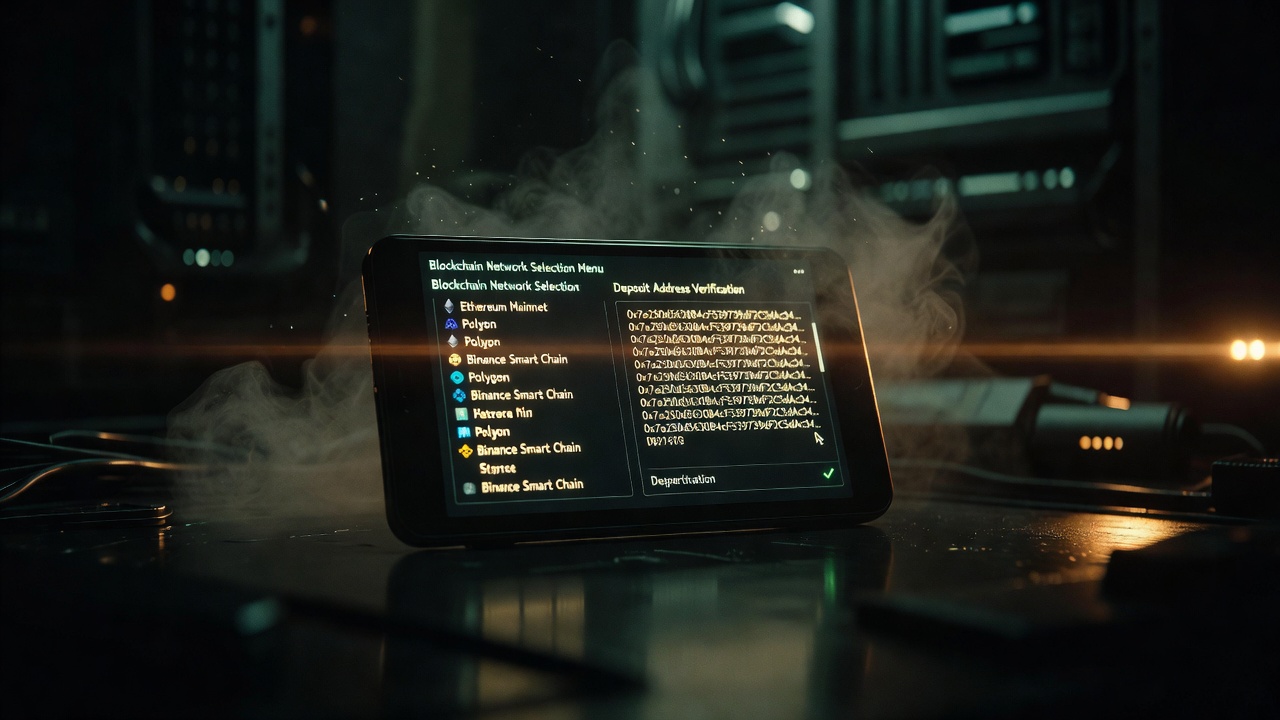
A: Blockchain transactions are immutable. Once broadcast and confirmed, a deposit cannot be reversed. However, if a user sends crypto to an incorrect address, the venue cannot recover the funds. The user assumes responsibility for entering the correct address. Most venues display the address in multiple formats (QR code, text, clickable) to reduce transcription errors.
Q: What happens during a blockchain network congestion event?
A: If the Bitcoin network experiences congestion, transaction confirmation times extend. A venue cannot expedite confirmation on a public blockchain. The user's deposit will confirm eventually, but may require longer than normal. Some venues offer an optional fee increase ("expedited confirmation") which prioritizes the transaction by including a higher miner fee. This cost falls to the user.
Q: What is the tax reporting requirement on a crypto deposit?
A: This question falls under national tax law, not gaming regulation. Deposits themselves are typically not taxable events. Winnings are taxable. Losses may be deductible, subject to jurisdiction and the user's tax filing status. A venue does not offer tax advice. The user should consult a tax professional regarding reporting obligations.
Q: What documentation does the venue retain about my deposit?
A: The venue records the wallet address from which funds were sent, the amount, the timestamp, and the blockchain transaction ID. This record is retained for AML purposes typically five years. Tax authorities and regulators may request access to these records. The venue may not share these records with third parties without regulatory mandate or legal process.
Q: Can I deposit crypto anonymously?
A: Deposit addresses are generated by the venue and are not inherently tied to your identity. However, once you request withdrawal, KYC verification applies. You must provide identification. At that point, the venue can trace your deposit address to your identity through blockchain analysis if required by regulator. The venue cannot permit withdrawal above the KYC threshold without identity verification.
Q: What fees does the venue charge on crypto deposits?
A: Most venues charge zero deposit fees. The only fees are blockchain network fees, which are paid to miners, not to the venue. These fees vary based on network congestion and transaction size. A Bitcoin deposit incurs approximately 0.0005 to 0.002 BTC in network fees, depending on conditions. The venue displays the estimated fee before the user confirms the deposit.
Q: Can a venue reject a deposit?
A: Yes. If a venue detects that funds originate from a sanctioned wallet, stolen funds, or high-risk AML jurisdictions, it may reject the deposit and return funds to the source address. Rejection is rare but possible. In such cases, the user must contact support to understand the reason.