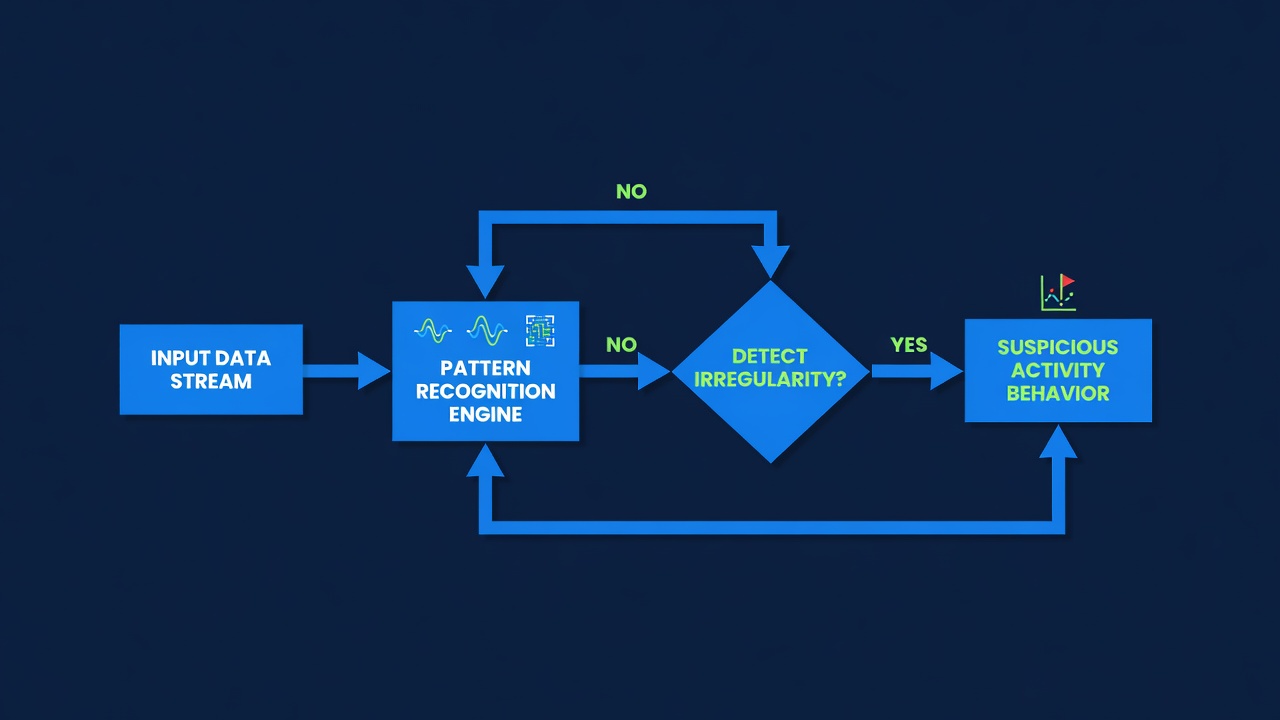
Bonus abuse detection operates as a detection system, not a prevention system. The casino allows the behavior first, monitors it second, and responds third. This sequence matters because it determines what gets flagged and what slips through.
The core mechanism is pattern matching. A player registers an account. They receive a 100 percent deposit match up to $500. If they deposit $500, they get $500 bonus credit. The play requirement is 35x the bonus amount. They must wager $17,500 to clear the bonus.
The abuser's pattern is distinctive. They deposit. They immediately place hedging bets: one on player to win at blackjack, one on banker to win at baccarat. They place bets on both sides of a sporting event. These are not strategies to win money. These are strategies to clear the bonus requirement while minimizing variance.
Detection Methodology
The system flags accounts when the ratio of bets to expected-value-positive plays exceeds a threshold. A normal player might place 200 bets while clearing $500 of bonus. An abuser might place 300 bets across multiple games, hedging both outcomes of each decision.
Software flags these patterns by analyzing several metrics. First, the settlement win-rate versus the theoretical RTP. An abuser will have a win-rate very close to 50 percent, while a normal player shows variance. Second, the bet distribution across games. An abuser spreads bets across multiple games to minimize dependency on any single game outcome. A normal player concentrates activity.
Most casinos use third-party fraud detection software. These companies have seen hundreds of thousands of accounts. They train machine learning models to recognize abuse patterns. The software flags suspicious accounts at the point of clearance.
Response and Escalation
When flagged, several outcomes are possible. The casino can:
- Void the bonus and forfeit the bonus funds
- Cancel the bonus but allow the player to retain winnings from their own deposit
- Allow the bonus to clear but freeze the account for review
- Allow the bonus to clear and monitor the player's future activity
The choice depends on the casino's fraud tolerance and the jurisdiction's regulatory requirements. Some operators are aggressive. Some are lenient. The variation reflects business strategy more than technical capability.
The sophisticated abuser knows these patterns and attempts to disguise the hedging. They space out their bets across days. They vary their games. They occasionally lose intentionally to create appearance of normal variance. These tactics raise the detection threshold but do not overcome it. Sophisticated abusers are eventually flagged because the mathematics of hedging creates statistical patterns that cannot be masked.
The Arms Race in Bonus Terms
After the mid-2010s, casinos began tightening bonus terms to reduce abuse losses. Wagering requirements increased from 35x to 50x. Game weightings became more aggressive; slots counted 100 percent while blackjack counted 25 percent. Some casinos introduced "max bet" restrictions: during bonus play, you could not bet more than $5 regardless of your bankroll.
These restrictions increased the cost to the abuser. If wagering was 50x and blackjack counted 25 percent, the abuser had to play 200 hands of blackjack to clear the requirement, each at reduced expected value. The advantage of the bonus declined.
Most casinos now use a combination of automated detection (software flags suspicious accounts) and manual review (compliance staff examine flagged accounts). This two-layer approach catches obvious abusers quickly and catches sophisticated abusers through manual analysis.