A dealer at a live table does not own the table. The casino owns it. The player owns the chips. The dealer owns something more abstract: the ability to make the next 90 minutes either pleasant or correct, and sometimes not both.
Tipping exists in that gap.
The Mechanics
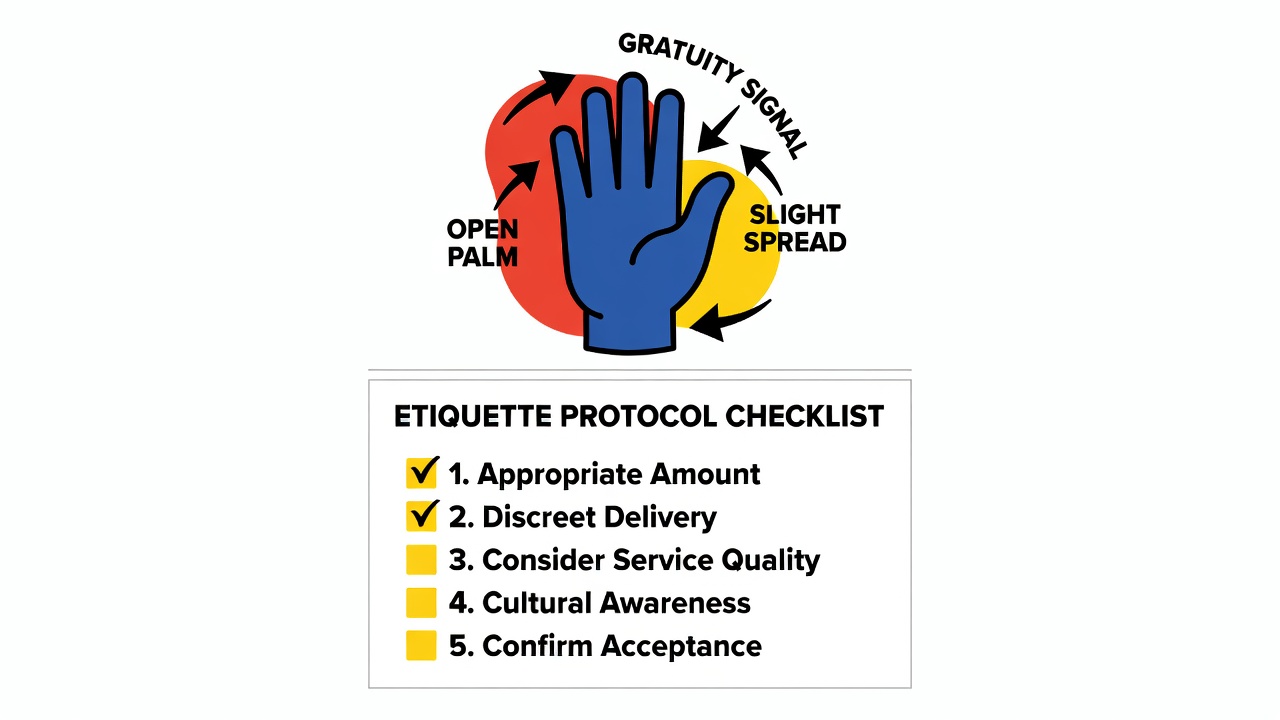
You can tip a live dealer in several ways. The most straightforward: place a chip on the table and tell them it's for them. They take it to the house. The house converts it to cash at the end of their shift. This is clean, visible, and unambiguous.
You can also place a bet for them. You say "twenty for the dealer" and make a side bet on your hand. If the bet wins, they get paid. If it loses, well, you've both learned something about the cards.
Some players tip in the middle of a run. Cards are coming good, you're winning. A chip for the dealer acknowledges that they're part of the transaction. Not the reason you won, perhaps, but present.
Other players tip at the end, when they're leaving. This is fine too. The dealer doesn't remember every chip that hits the table, but they remember players who left the table richer. The memory is useful for future sessions.
Why This Matters
A dealer makes somewhere in the range of $15 to $25 per hour in base pay at most casinos, depending on location and the casino's apparent commitment to not paying their staff. Tips can double that figure on a good night. On a slow night, tips are the entire income that matters.
The dealer's job is to run the game accurately, quickly, and according to rules. They are not obligated to be warm about it. Warmth is optional. But warmth changes the experience.
A dealer who is cold is still professional. They shuffle correctly. They pay the winning hands. They watch for collusion. But a dealer who feels acknowledged and valued? They smile. They move faster. They remember your name if you've tipped consistently. On a night when you're running badly, a dealer who likes you will still be rooting for you to catch a card.
The Etiquette Layer
Different tables have different vibes. A roulette table is formal and quiet. A craps table is a social event. A poker table is its own country. You should tip according to the energy of the room.
At a formal table, a single chip per major hand is sufficient. At a craps table where everyone is celebrating together, a larger tip is expected and welcomed. At poker, you tip when you win a pot. The standard is roughly 1 percent of the pot if it's large, or a chip if it's small.
Some casinos suggest 10-15 percent of your winnings. This is the casino's suggestion, not a law. Tip according to your conscience and your bankroll.
One note: do not tip a dealer because you feel guilty about losing. That's your brain lying to you. Tipping should come from a place of genuine appreciation for service rendered, not from shame about variance.
The Long Game
Dealers remember players who tip consistently. They also remember players who tip zero dollars across fifty hands and then start tipping when they get lucky. The memory works both ways.
Regular casinos are small towns. You will see the same dealers again. Building a reputation as someone who treats them well is worth more than a single large tip in a moment of sentiment.
The dealer is not trying to make you win. They are trying to run a game. But if you make that job easier and more pleasant, they will do it better. That is the entire transaction.