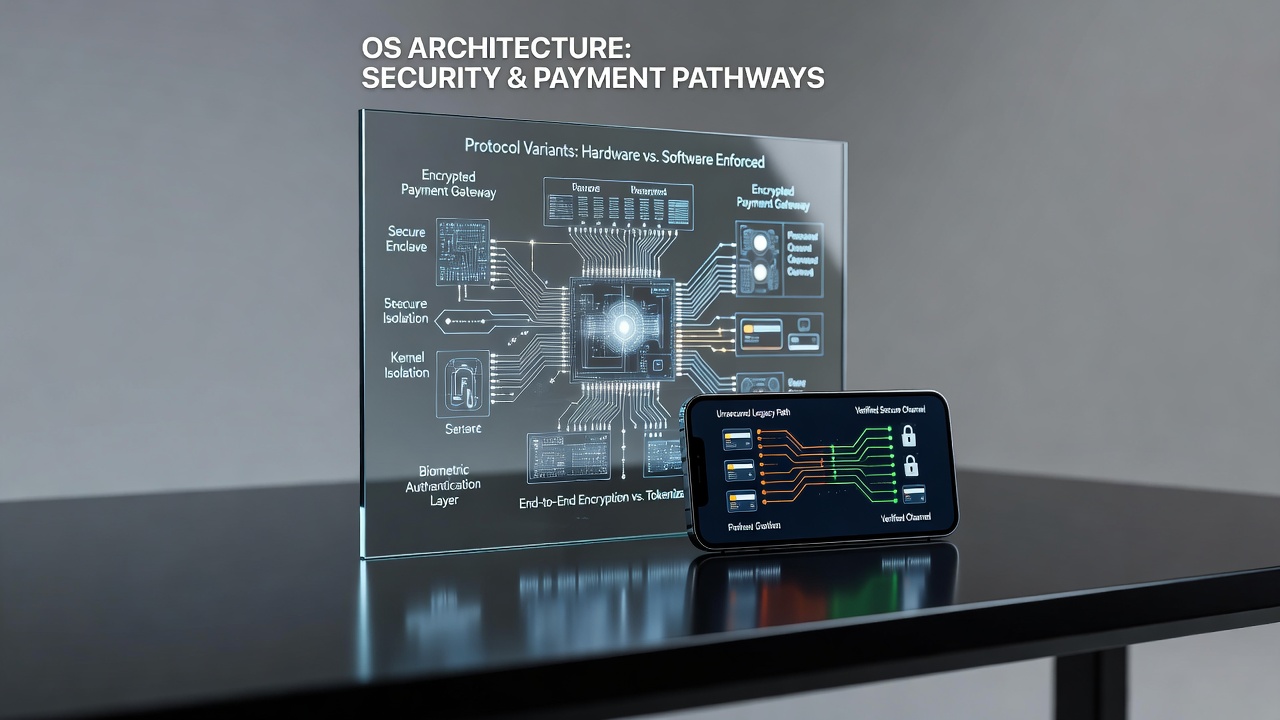
iOS and Android serve different gambling populations because they handle security, payments, and performance differently. The choice between them affects your experience at an online casino.
iOS runs on Apple devices exclusively. iPhone users access casino software either through the App Store or through a mobile website. The App Store requires approvals from Apple. Apple has strict policies about gambling applications. Some gambling apps are available. Some are not. Apple's content restrictions vary by jurisdiction.
Android runs on multiple manufacturers' devices: Samsung, LG, Google, and many others. Android users access casino software through the Google Play Store or through direct downloads from casino websites. Google's restrictions on gambling apps are less strict than Apple's in some jurisdictions and equally strict in others.
Payment Processing
iOS users in the US have limited payment options through gambling apps. Apple restricts direct credit card payments for gambling. Users must use Apple Pay, which adds an extra verification layer. This is inconvenient for some but provides additional security.
Android users have more payment options. Credit cards, debit cards, e-wallets, and cryptocurrency are all available on different applications. This flexibility comes with a trade-off: less verification means higher fraud risk if the app is compromised.
A regulated casino operating in multiple jurisdictions must maintain separate versions of its app for each platform. The iOS version is more restricted. The Android version has more features. A player switching between platforms will experience feature parity issues.
Performance and Security
iOS devices perform consistently because Apple controls the hardware. A casino app on iPhone 12 Pro runs the same as on iPhone 13. This consistency is an advantage for the casino. They code to known specifications.
Android devices vary in performance. An app on a flagship Samsung runs faster than on a mid-range device. A casino app must be optimized for multiple device types. This creates development overhead.
Security on iOS is generally tighter. Apps are sandboxed. Users must grant explicit permission for each sensitive operation. Security on Android is more variable. Different manufacturers implement different security layers. A user on an older Android device might have fewer protections than a user on a newer device.
For a casual player, iOS provides a simpler experience. For a player who wants maximum options and flexibility, Android provides more features. The choice depends on what you prioritize: convenience or control.
Specific Apps and Restrictions
DraftKings and FanDuel both operate iOS apps, but both restrict certain jurisdictions. New York users can access DraftKings on iOS but some functions are limited. California users cannot access either app at all. This state-by-state variability creates fragmented experience.
Android is different. The Google Play Store has even stricter rules about gambling apps than Apple, but users can sideload apps by downloading directly from casino websites. This workaround is available on Android but not on iPhone.
For a user who travels between states, Android offers more flexibility. You can download an app from an unregulated casino directly to your phone. On iPhone, you must use whatever apps Apple has approved in your current jurisdiction.
This technical limitation has strategic importance. A player in a restrictive jurisdiction might have fewer options on iPhone than on Android. The choice between iOS and Android is partly technical and partly philosophical. iOS users accept Apple's restrictions in exchange for consistency. Android users accept fragmentation in exchange for freedom. Neither approach is superior. Both reflect different views on what matters in a platform.