Report No. 168
Poker Freerolls: How Free Tournaments Work
The brief
Okay so freerolls are actually insane. You're not risking a cent and you can win real money. Let me walk you through how this actually works because it's genuinely wild.
What Even Is a Freeroll?
A freeroll tournament is literally free to enter. Zero buy-in. You show up, get your chips, and play. If you win, you walk away with actual cash. This is the crazy part: casinos and poker sites are voluntarily handing out money to people who didn't pay them anything.
Why would they do this? Stay with me here. Freerolls are loss leaders. Poker rooms profit when players stay engaged and move to paid tournaments. Think of freerolls as the gateway drug.
Different Types of Freerolls
Here's where it gets interesting. Not all freerolls are created equal.
Scheduled Freerolls: These run at set times. Every Tuesday at 7 PM, the site runs a no-entry-fee tournament with maybe $500 in prize pool. The field is HUGE because entry is free. You might be playing against 1,000 other people. Your chip stack is tiny relative to the field.
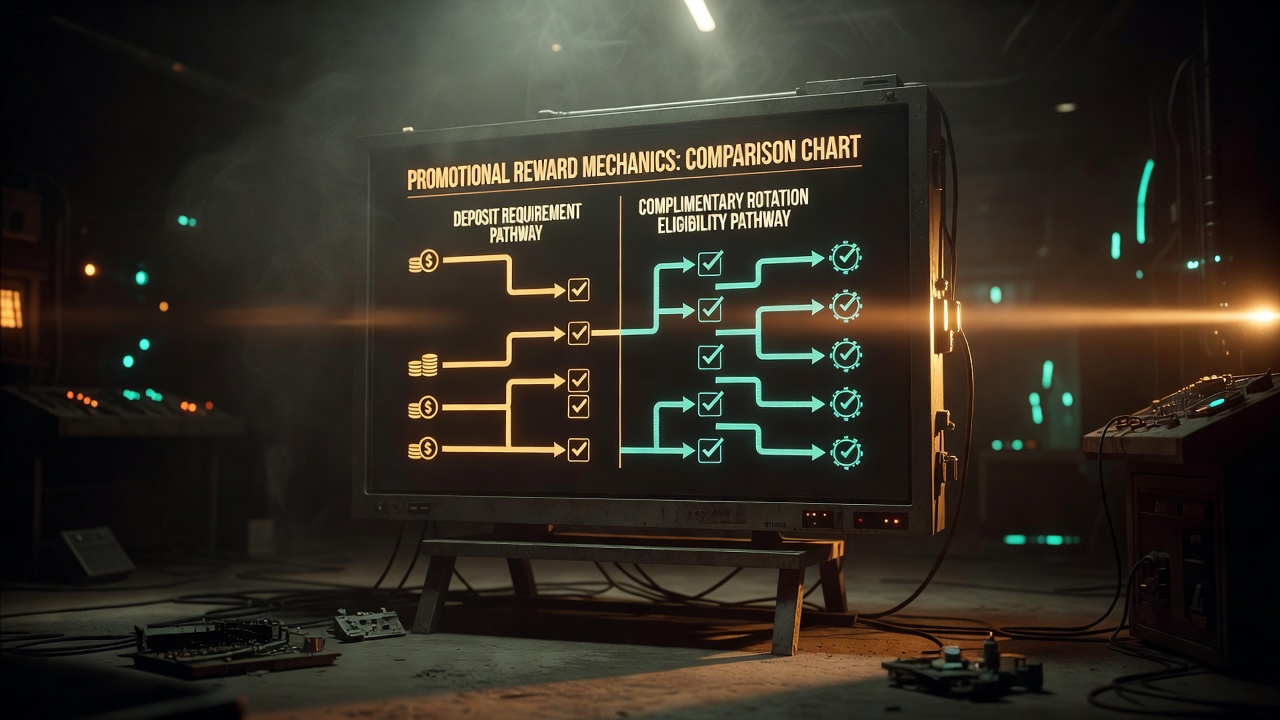
Deposit Freerolls: You deposit $20 or more and get automatic entry into a freeroll happening next week. This is how sites convert free players into paying players. Absolutely nuts strategy but it works.
VIP/Loyalty Freerolls: You've played for six months and accumulated points. Site credits you into a private freeroll with 50 players instead of 2,000. Much better odds because the field is smaller and the prize pool is the same size.
Sit & Go Freerolls: These are short-format tournaments that start immediately when a certain number of players registers. Maybe ten people need to show up, then you're playing a fast 30-minute tournament.
How the Prize Pool Works
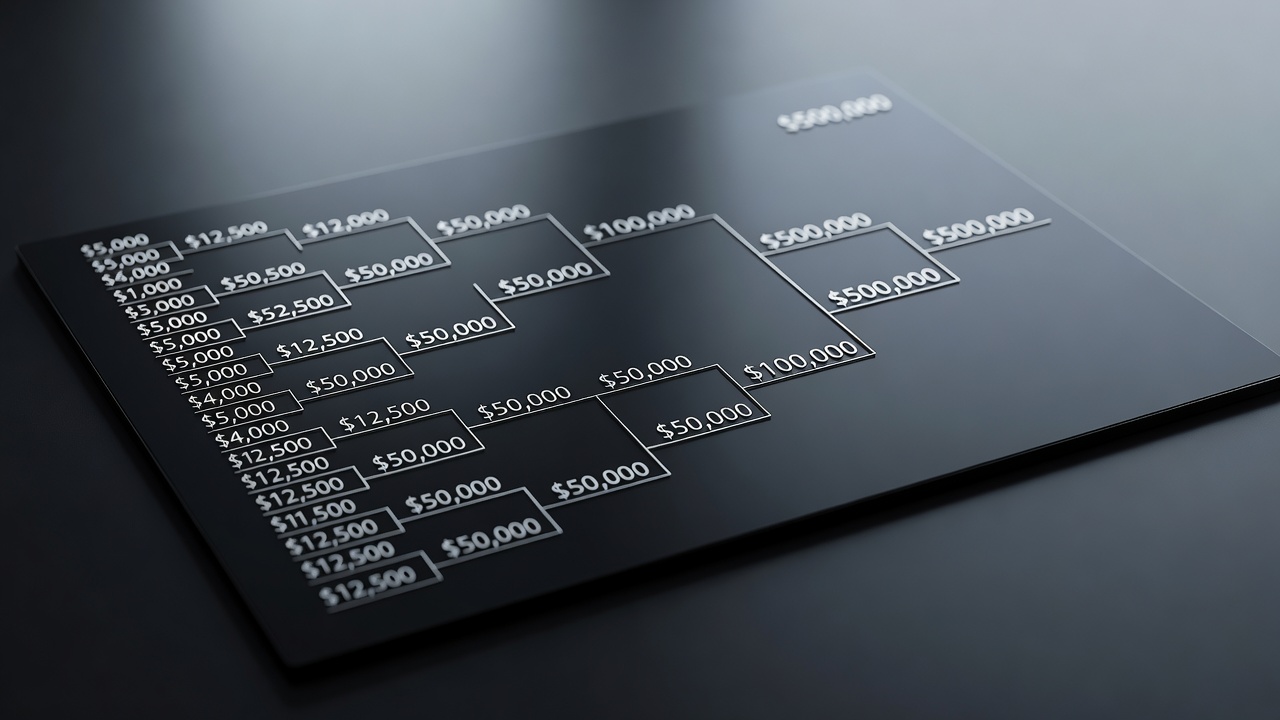
This is actually important. A freeroll with 1,000 players might have a $1,000 prize pool. Split among top 50 finishers. If you place in the money, you're getting paid. If you bubble, you get nothing.
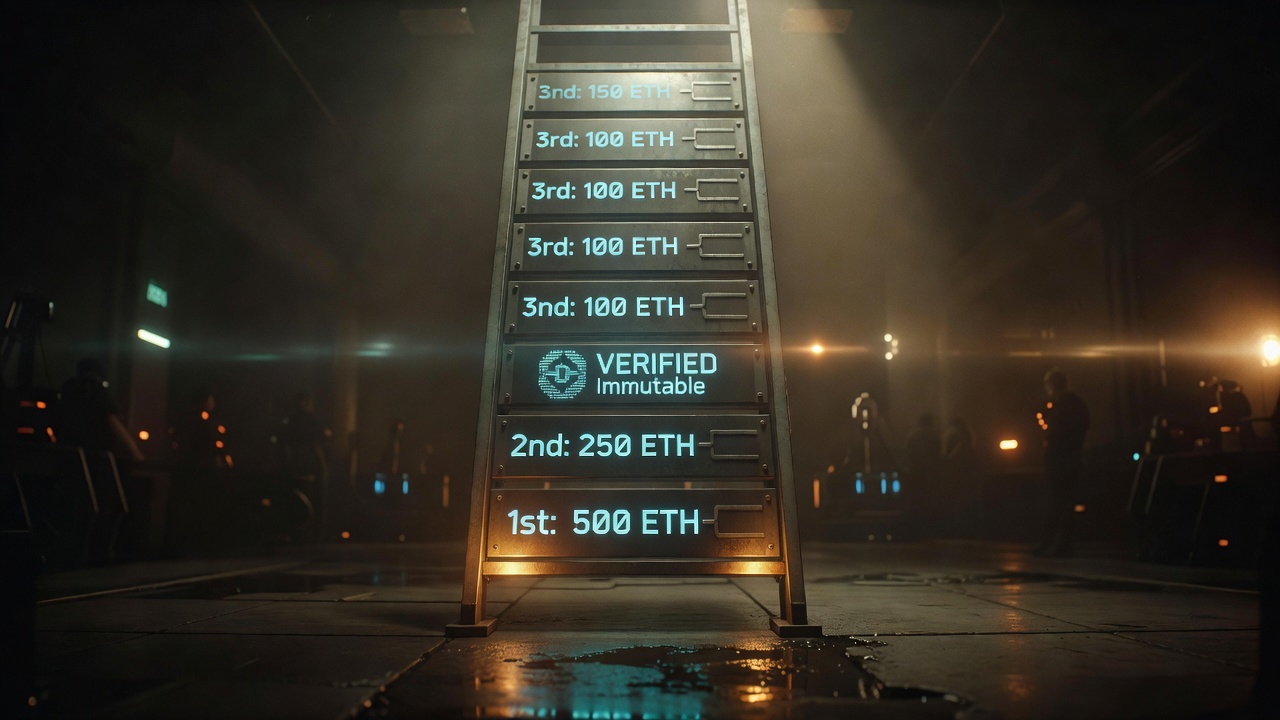
The exact payout structure varies wildly between sites. Some do flat payouts: everyone who cashes gets an equal share. Others do traditional tournament structures: first place gets 30%, second gets 15%, third gets 8%, and so on down the ladder.
Stakes are typically small on freerolls. A $1,000 pool with 1,000 entrants and 50 paid spots means average payout is $20. Top players see $100-$200. It's not life-changing money but it's completely free money.
Strategy Shifts on Freerolls
Here's the absolutely wild part: people play freerolls completely differently than real-money games.
Everyone is running it up. You'll see all-in preflop with Q-3 offsuit because there's literally no downside. This means volatility is insane. You need a stronger stomach for bad-beat swings.
In freerolls, expect wild card play and aggressive all-ins because players have zero buy-in regret.
For you as a player, this changes strategy completely. You want to tighten up early when stacks are deep and the maniac meter is off the charts. Fold weak hands and wait for premium cards. Maniacs will eliminate each other. Once the field narrows and people realize they're close to cashing, play becomes more rational.
Getting Value from Free Poker
The real move is understanding that freerolls aren't meant to be your income. They're meant to be your practice field.
You're learning how real tournament structures work. You're practicing reading opponents. You're building a bankroll from zero if you're skilled. The best part: casinos like Poker Stars and GGPoker run freerolls constantly. You could literally enter ten per week and play 30-40 hours of poker a month for no money.
If you win $50 from freerolls, move that into a real $10 tournament and you're rolling. That's how new players build their bankroll. That's the actual system working.
Why Sites Keep Running Them
Sites make money when you graduate from freerolls to real tournaments. The cost of running a $1,000 freeroll is basically server time. If 2% of entrants convert to paid tournaments and average $50 monthly spend, that freeroll paid for itself in customer acquisition.