Report No. 171
Touch ID and Face ID Login for Casino Apps
The brief
The security guard at the Bellagio, a man named Marcus who I met in 2019 after losing six hundred dollars in six hours, once told me something I have never forgotten. He said that most people do not protect themselves from theft. They protect themselves from themselves. The locked phone, he said, is not primarily about keeping thieves out. It is about keeping drunk versions of yourself out.
I thought about Marcus when I started reading about biometric authentication in casino apps, because the same principle applies. Touch ID and Face ID on your casino app are not primarily security features in the traditional sense. They are friction devices. They make the path from closed app to placed bet longer and more deliberate. For some people, this friction is the only thing standing between a reasonable evening and a ruinous one.
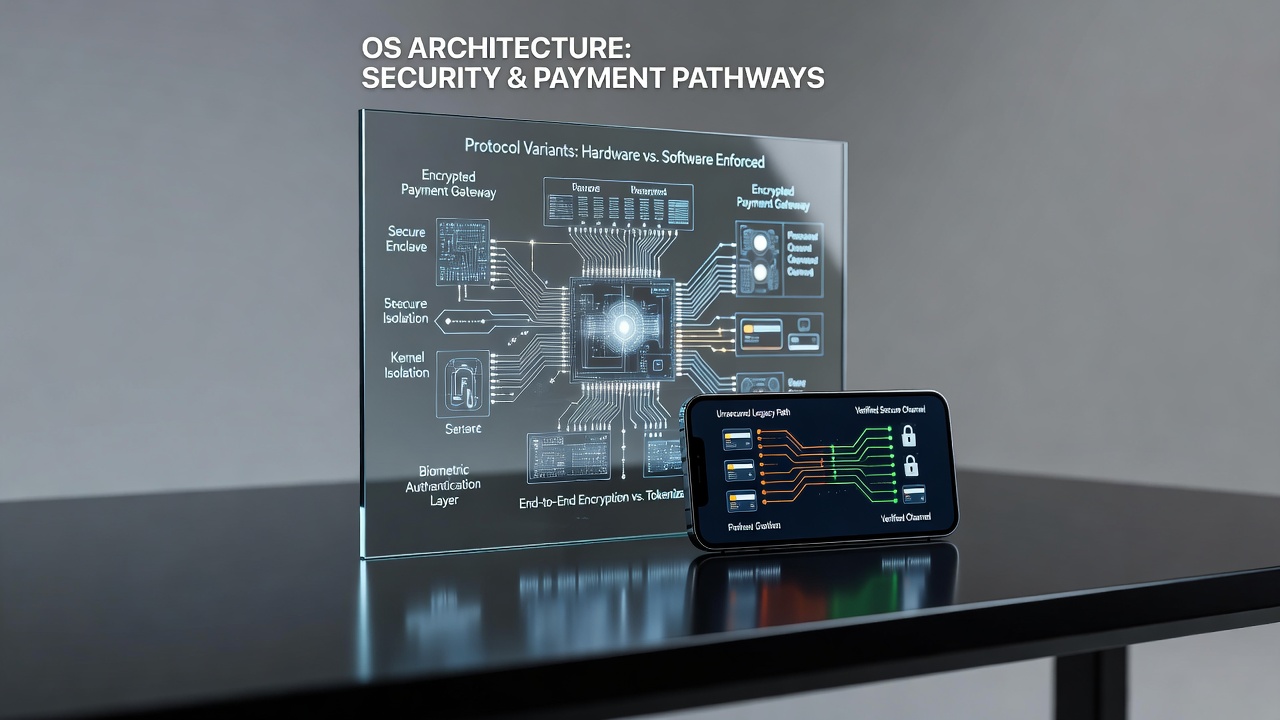
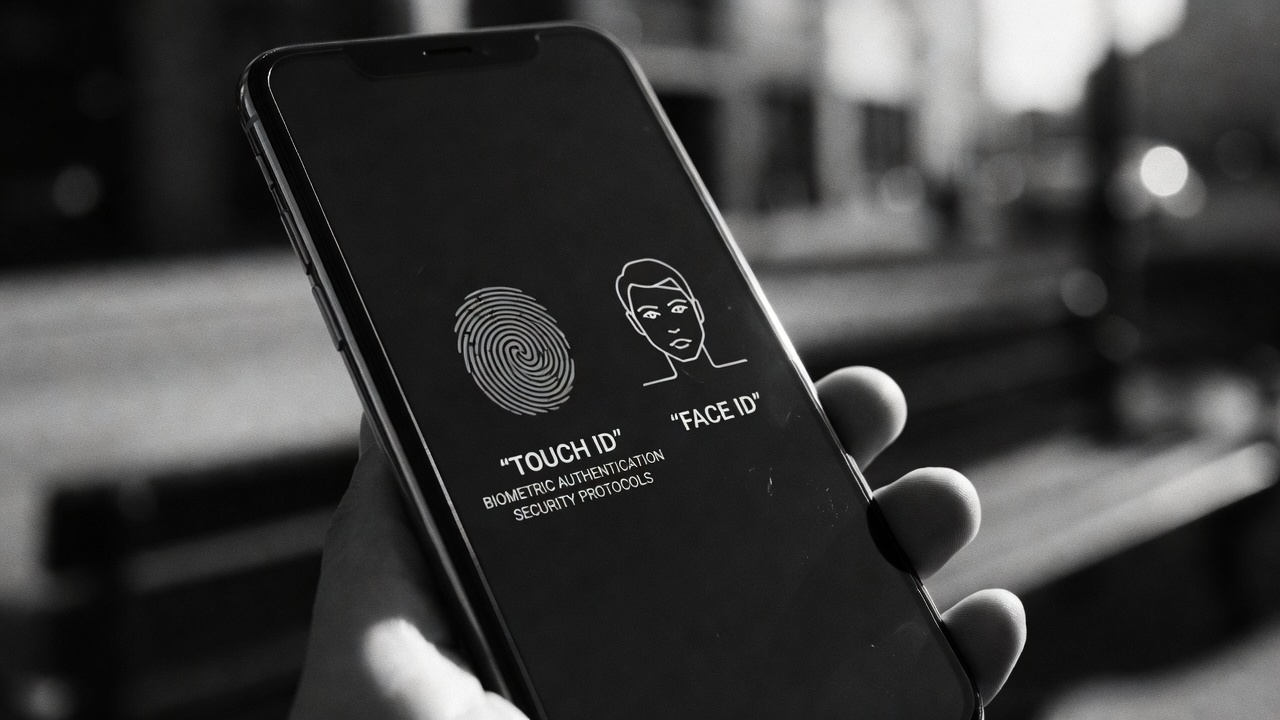
Apple introduced Touch ID in 2013 with the iPhone 5S. The biometric identifier was stored locally on the phone's Secure Enclave, a chip isolated from the main processor. When you registered your fingerprint, Apple did not store an image. It stored a mathematical reduction of that fingerprint, encoded such that the original fingerprint could never be reconstructed. When you attempted authentication, the local sensor compared your current fingerprint to that stored reduction. The comparison happened entirely offline. Apple never saw your fingerprint.
Face ID, introduced in 2017, operated on similar principles but with additional complexity. The TrueDepth camera on the front of the iPhone created a depth map of your face using infrared light. This depth map was compared against the stored mathematical reduction of your enrolled face. Face ID could be spoofed with sufficiently sophisticated masks, but the spoofing required custom hardware. The casual attacker cannot do it.
Casino operators began integrating these technologies after noticing something in their data. Players with biometric authentication enabled logged into their apps less frequently than players with password-only login. They also wagered smaller amounts per session. The friction of authentication appeared to reduce engagement, which operators initially viewed as a problem.
Then operators began examining what happened after their implementation. Account closure rates dropped. Responsible gambling holds dropped. In other words, fewer accounts were reaching the automated responsible gambling safeguards that triggered after significant losses.
The Friction Effect
This is the core mechanism worth understanding. You are drinking beer and playing online roulette at 2 AM. You have lost two hundred and fifty dollars. Your hand moves toward the deposit button. You already know the password. You type three characters and you are in. The deposit happens in eighteen seconds.
Now imagine the same scenario with Face ID enabled. Your hand moves toward the deposit button. You need to unlock the app. The Face ID sensor activates. You position your face correctly. The phone authenticates. The authentication takes four seconds. During those four seconds, you are not typing. You are literally pausing and looking at your phone. A small portion of your brain has reactivated. The deposit button is still waiting, but you have created space for a competing thought to occur.
Research on decision fatigue and impulsive purchasing has consistently shown that friction reduces purchasing. A Stanford study in 2016 examined online spending across a hundred thousand users who had to enter a CVC code versus users where the CVC was auto-filled. Auto-fill users spent 7 percent more per session. Friction worked.
Casino operators know this precisely, which is why some downplay biometric authentication in their onboarding. A casino does not want to add friction to the user journey during account creation or first deposit. Friction comes later, during the churn phase, when you are trying to keep already-acquired customers from rapid loss-and-closure cycles.
What Face ID Actually Protects
Let me be precise about what biometric authentication does and does not protect. Face ID locks your app. If someone gains physical access to your phone while it is unlocked, they can still access your account. If someone has your username and password and tries to access your account from a different device, Face ID on your phone does not stop them.
What Face ID does protect against: the low-friction scenario where your phone is unlocked and someone picks it up and places a bet. This is not theoretical. It happens. A friend borrows your phone to look something up, sees your casino app on the home screen, clicks it, and fifteen minutes later you have a twenty-dollar wager you do not remember making.
Face ID also protects against the high-emotional-state scenario where you give your phone to someone you trust while you are drinking and you make a bet you will regret. They hit the Face ID button. Your face is required. The moment of authentication forces you to be present.
Biometric authentication in casino apps is a harm-reduction tool, not a security perimeter. It works by increasing the cognitive load of a single action.
The Behavioral Data
Casino operators have released limited data on how biometric authentication affects player behavior, but what exists is notable. A study from the Kindred Group, which operates unibet and other brands, examined sessions from five hundred thousand players after implementing optional Face ID authentication.
Among players who had experienced problem gambling alerts in previous months and who subsequently enabled Face ID, the study found a 12 percent reduction in rapid-chase betting, the behavior pattern where a player doubles or triples bet size after losses. That is substantive.
Among players with no history of alerts, enabling Face ID actually reduced engagement slightly but not significantly. For casual players, the friction is noticeable but not determinative.
For players with documented loss-chasing behavior, the friction is meaningful. The interruption provided by Face ID authentication breaks the momentum of escalating-stakes play.
How to Use This Effectively
If you have access to biometric authentication on your casino app, consider enabling it if any of these apply to you: you have a history of regretful late-night betting, you play while drinking, you have friends or family who might use your unlocked phone, or you have experienced loss-chasing behavior and want a harm-reduction tool.
Do not enable it because you believe it is additional security against account takeover. It is not. If you are worried about account security, use a strong password, enable two-factor authentication on your email account, and consider a password manager.
Enable Face ID because you want friction. Because you want the authentication moment to be a moment you have to be present for. Because you want your phone to demand your face, which means your face has to be awake and aware.
Marcus was right, in other words. The security is not against thieves. It is against yourself.