
Drops and Wins Promotions: How Network-Wide Prizes Work

Drops and Wins Promotions: How Network-Wide Prizes Work

Elin Andersson
Share

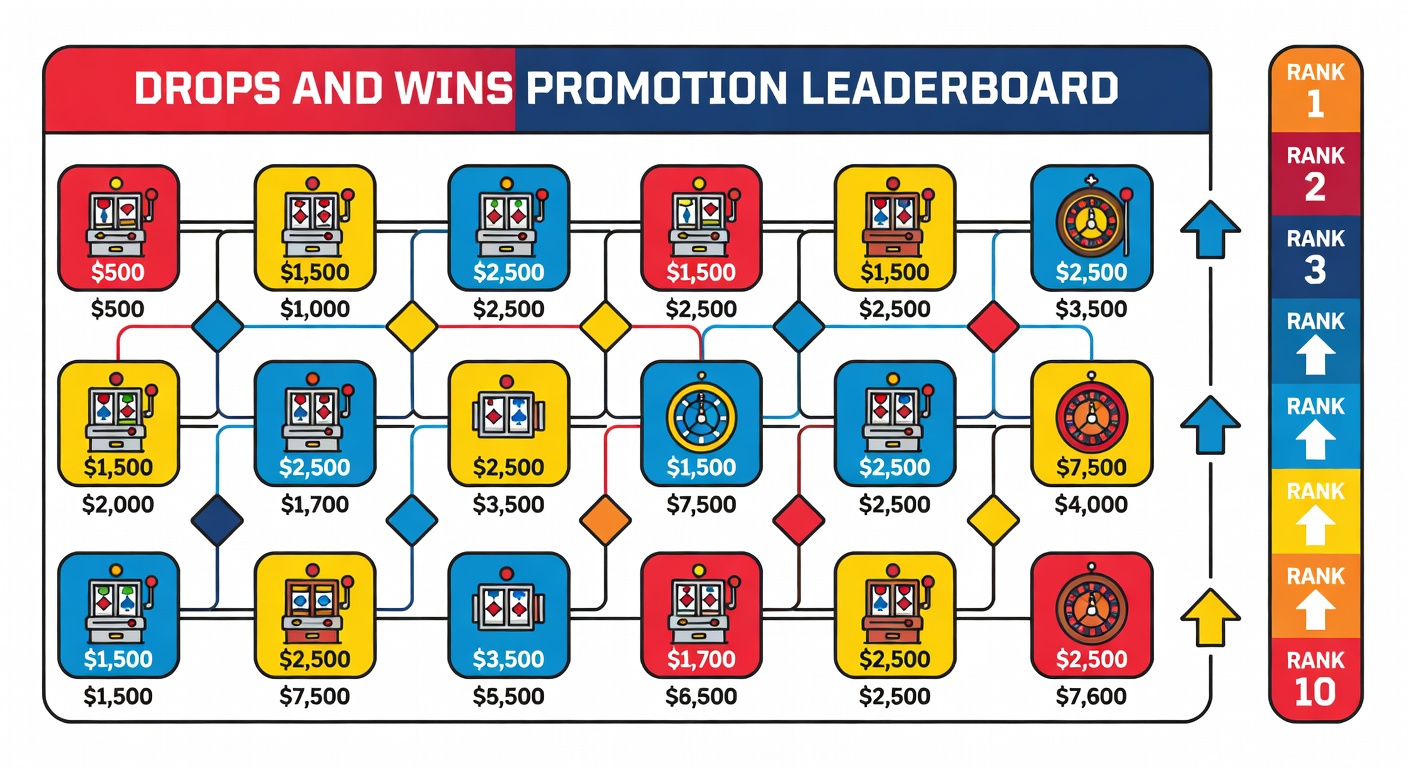
The Concept A casino network announces: over the next 30 days, we're distributing 10 million pounds in prizes via Drops and Wins. Every player playing participating games contributes. A random draw determines winners. The prize pool comes from a percentage of all wagers on those games. ## How Wins Are Triggered When you play a participating slot, you can win at any time. The casino's system selects random players to win prizes: 5 pounds, 50 pounds, 500 pounds. Larger prizes happen less frequently. The RNG of the game isn't affected. Your odds of getting a Drops and Wins prize are independent of winning on the game itself. ## The Prize Distribution A large prize like 500 pounds might only be won once daily across the entire network. Smaller prizes like 5 pounds might be won thousands of times daily. This creates a hierarchy where most players see small wins occasionally, and a few lucky players hit the big prizes. ## Why Casinos Offer Them Drops and Wins increase player engagement. They add another dimension of winning beyond the game itself. Players keep playing longer, hoping for a Drops and Wins prize, even if they're losing on the base game. The cost to the casino is fixed (the prize pool size). The benefit is increased play volume. If the promotion drives sufficient volume, it's profitable. ## Player Value From a player's perspective, Drops and Wins are neutral. The prizes come from a percentage of wagers. The expected value is built into the promotion mathematics. You're not getting free money; you're redistributing wager money among players. They do add entertainment value though. The possibility of a random prize win makes play more engaging. ## Deeper Understanding Mastering this topic requires consistent attention to the details. The surface-level understanding is often insufficient for making optimal decisions. Experienced players take time to understand the underlying mechanics and psychology. They don't rely on intuition alone; they use data and analysis. Over time, this disciplined approach compounds. Small edges accumulate into substantial advantages. casual player seeking entertainment or someone trying to maximize value, understanding these mechanics improves your decision-making. The information is available. The effort to learn is up to you. ## Advanced Considerations Once you master the basics, deeper complexity becomes apparent. Industry professionals work within layers of constraints and opportunities that casual observers miss entirely. Regulatory frameworks shape market dynamics. Technological limitations determine what's possible. Competitive pressures force constant adaptation. Understanding these systemic forces helps you anticipate changes and adjust your strategy accordingly. The casinos and sportsbooks employ teams of specialists to optimize every variable. They study player behavior extensively. They test variations continuously. They measure impact precisely. As a player, you can adopt similar disciplined approaches to your own decision-making. Track your results. Analyze your patterns. Look for biases in your thinking. Question your assumptions regularly. This level of intentional practice distinguishes strong players from average ones. ## The Role of Discipline Success in any gambling-related pursuit ultimately comes down to discipline. It's not sexy. It's not exciting. But discipline is what separates winners from losers over time. This means setting limits before you play, not during. It means sticking to your strategy even when it feels wrong. It means accepting losses without trying to recover them immediately. It means celebrating wins appropriately but not letting them inflate your risk-taking. The casino environment is designed to undermine discipline. Everything about the physical or digital space encourages emotional decision-making. Bright lights, constant noise, fast-paced action, all of it works against your rational mind. Successful players recognize this and prepare accordingly. They use external commitments and tools to enforce discipline. They don't rely on willpower in the moment.

Related posts