Futures Betting: How to Value Long-Term Markets

Futures Betting: How to Value Long-Term Markets

Noah Grant
Share

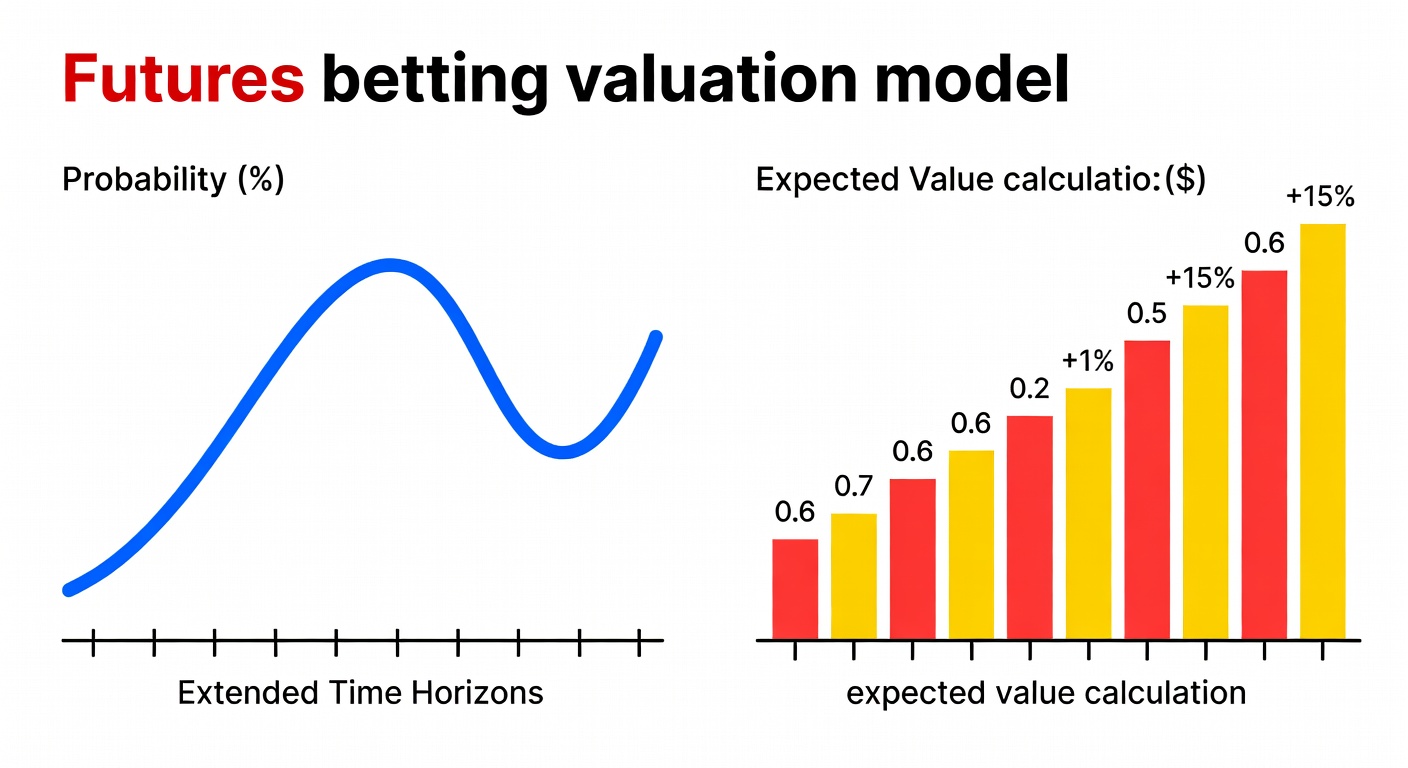
The Difference From Regular Betting Regular sports betting is short-term. You bet on tomorrow's game. The outcome is known in hours. Futures betting spans months. You bet on the Super Bowl winner in January. The payout comes in February or later. The tradeoff is volatility and time value. You lock your money up. You accept unknown volatility. You're paid for accepting these risks if the odds are right. ## The Math A futures bet is a discount on expected value. A team has a 25 percent chance to win the championship. At true odds, they'd be 3 to 1 (or minus 300 in American odds). If the sportsbook offers them at minus 320, the bet is undervalued. The book is laying 3.20 to 1. You're getting worse than true odds. The key: you need to estimate true probability. If you think the team has a 30 percent chance, and they're offered at minus 300 (25 percent implied), you have an edge. If you think they have a 20 percent chance and they're offered at minus 300, the book has the edge. ## Bankroll Implications Futures bet are volatile. A team can be eliminated midseason. Your bet becomes worthless. Your bankroll is locked up with no daily liquidity. You need to size futures bets accordingly. The standard rule: no more than 2 percent of bankroll on any single futures bet. For a $10,000 bankroll, that's $200 maximum on a single team's championship chances. ## The Juice Problem Sportsbooks add juice to futures markets, sometimes heavily. A 10-team field might have 110+ percent implied probability when you sum all bets. This means you're paying extra for the convenience of long-term betting. Sharp bettors focus on finding the best odds. Shopping between Stake, DraftKings, Bet365 can reveal which book is offering the best value on a specific futures bet. ## Hedging As the futures season progresses, circumstances change. A team gets injuries. A team exceeds expectations. You might want to hedge your original bet. If you bet $100 to win $300 on Team A and they're now more likely to win, you can bet Team B at good odds. If Team B wins, you profit from the hedge. If Team A wins, you profit from the original bet. This requires careful tracking and math. ## The Realistic Outlook For most players, futures bets are inferior to in-season betting. In-season bets have better liquidity, lower juice, clearer information. But futures bets offer value if you have strong predictive models. The math has to work. ## Deeper Understanding Mastering this topic requires consistent attention to the details. The surface-level understanding is often insufficient for making optimal decisions. Experienced players take time to understand the underlying mechanics and psychology. They don't rely on intuition alone; they use data and analysis. Over time, this disciplined approach compounds. Small edges accumulate into substantial advantages. casual player seeking entertainment or someone trying to maximize value, understanding these mechanics improves your decision-making. The information is available. The effort to learn is up to you.

Related posts