Overview
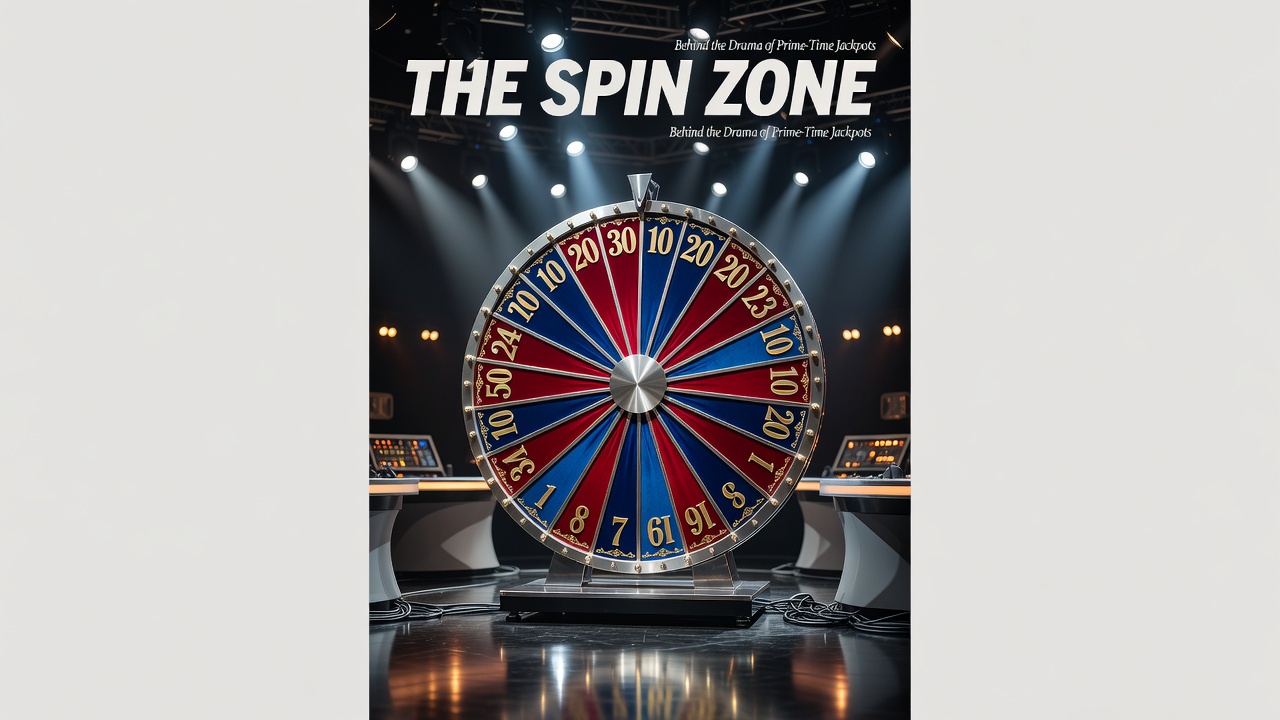
Crazy Time is a Evolution Gaming product. The game works like this: a wheel has segments. Players bet on which segment the wheel lands on. The wheel spins. One segment lands. Players who bet on that segment win. Payouts vary by segment: hitting the rare segment pays 20:1. The safe segment pays 1:1.
The mathematical structure is that of a lottery. The wheel has 54 segments total. Of the 54 segments, a specific number land on each outcome. The house edge is fixed. Multiply the probability of landing (segment count divided by 54) by the payout. Subtract that from the stake. That is the house edge.
Take a segment that pays 7:1 and appears on 3 of 54 segments. Implied probability is 3/54 or 5.56 percent. A player wagering 100 at 7:1 payout is risking 100 to win 700. Expected value is: (probability of winning times payout) minus stake. So (5.56% times 7) minus 1 equals (0.389 minus 1) equals negative 0.611 per dollar wagered. The house edge is 61 percent on this particular bet.
This is massive. Typical casino games have house edges of 2 to 5 percent. Crazy Time's 60 percent edge means the player loses on average 60 cents per dollar wagered. Why would anyone play? Entertainment value and perception of control.
Evolution built interaction into the game. When the wheel spins, players see a live croupier (the "host") announcing outcomes. The host creates narrative. "That was close," the host says when the wheel nearly lands on a high-payout segment. The host builds anticipation. The math does not care. The math is fixed. But the narrative feels dynamic.
Monopoly Live adds layers. The game includes a physical board and a Pachinko machine that affects multipliers. A player wagering on red can also wager that a Pachinko ball will land in a multiplier slot that triples their winnings. This creates a game within a game. The odds multiply. The house edge stacks.
The payment structure is tiered. A basic bet pays 1:1 on coin flip (red or black). A player can then wager separately on multiplier outcomes. The multiplier bets have higher house edges but higher payouts. The player feels they have options and control. They do not. The wheel outcome is fixed. The multiplier outcome is fixed. But the layering creates illusion of agency.
Regulators require that game show RTP be disclosed. Evolution discloses that Crazy Time has an average RTP of 96.27 percent across all possible bets. That means a house edge of 3.73 percent on average wagering. But this average conceals variance. The safest bets have 96 to 97 percent RTP. The riskiest bets have 90 to 92 percent RTP. A player gravitating toward multiplier bets (as most players do, because multipliers are exciting) experiences below-average RTP.
The live element matters more than the math. A recorded wheel spin is the same mathematically as a live wheel spin. But a player watching a live host narrate a live spin feels more agency. The player feels their choice matters. In reality, the choice matters only to which outcome they are watching the same fixed event occur.
Casinos profit from these games because the RTP of 96.27 percent is still mathematically worse than the 99.5 percent RTP of blackjack. A player choosing Crazy Time over blackjack is accepting a 3.23 percent worse payout rate for entertainment. The trade is rational if the player values entertainment. The mathematics guarantee the casino profits more from Crazy Time than from blackjack across a thousand players.