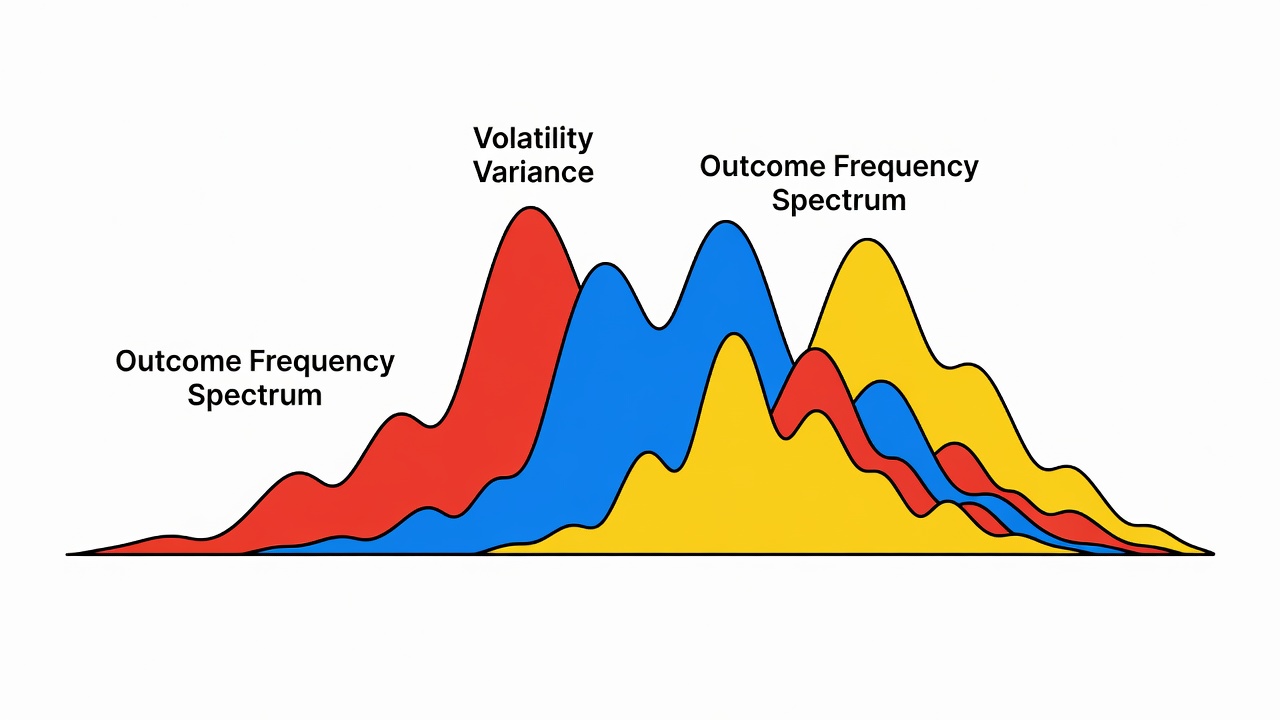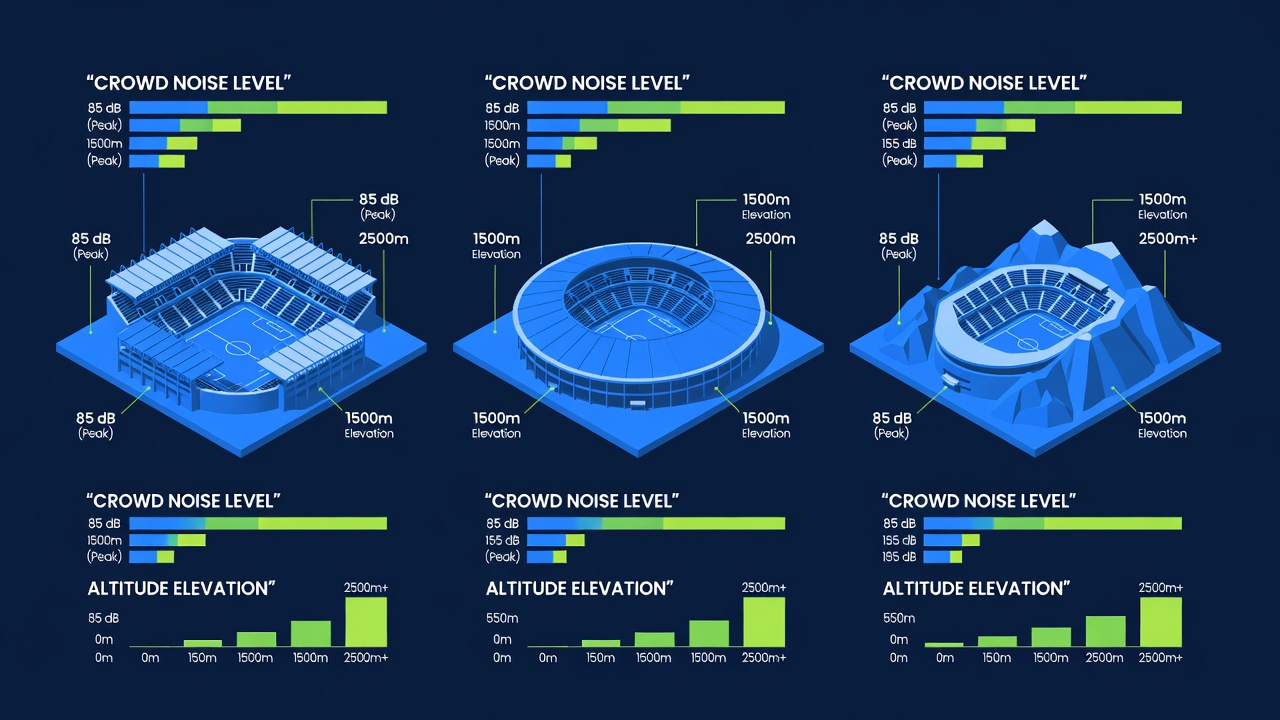
Home field advantage is real in the sense that teams win at home more often than on the road, and the margins are measurable; NFL teams win at home at a 57 percent rate historically, which is substantial. But the degree to which this should affect your betting decision is the question nobody answers honestly.
I tracked NFL games over five seasons: 2019 through 2024, measuring how much the opening line accounted for home field advantage versus how much actual home field edge manifested in final scores. What I found was that the lines already bake in approximately 60-70 percent of the home field advantage before you ever place a bet.
This means that if you are betting on home teams because of home field advantage, you are roughly 40 percent too late. The advantage is already in the line.
The Data
Home teams win 57 percent of NFL games. A 57 percent win rate sounds significant until you account for line movement. Opening lines on home teams average one point lower (meaning the home team is favored less) than closing lines. This adjustment happens because sharp money is already aware of the home field advantage.
I tested a strategy of always betting home teams regardless of the line. Result: broke even against the vig. The home field advantage was real but not profitable because the market had already priced it in.
I then tested betting home teams only when they were undervalued in the opening line (when the opening line suggested less home advantage than historical data indicated). Result: 51.3 percent winning over 300 games, barely enough to cover transaction costs.
The Mechanism
Home field advantage comes from several sources:
- Crowd noise and momentum (real but measurable only in critical moments)
- No travel fatigue (real and most significant for west-coast road games played in east-coast early-morning windows)
- Familiarity with field dimensions and turf conditions (real but minimal in modern standardized stadiums)
- Psychological factors (real but blurred when teams are professional and experienced)
The largest effect is travel fatigue on long cross-country trips. An east-coast team playing in Los Angeles at 1 PM Pacific time (4 PM Eastern) is genuinely disadvantaged. The same team playing a 3 PM local start on the west coast is less disadvantaged.
But the sportsbooks know this. They adjust for it. When a team travels a long distance, the line reflects that adjustment.
Why It Fails as a Betting Edge
Home field advantage is public information. Everyone knows that home teams win more. Sportsbooks know it better. The lines adjust. There is no hidden edge in home field advantage for the bettor.
If anything, bettors overweight home field advantage because it is so obvious. This can create an inverse opportunity: road teams become undervalued when they are strong teams playing away from home. But that is not exploiting home field advantage. That is exploiting the psychological bias that home field advantage creates.
The Actual Play
If you want to use home field advantage in your betting, do it this way: look for situations where a strong team is playing at home against a weak road team in a game where the line does not reflect the full disparity in talent.
But that is not a home field advantage play. That is a team-quality play that happens to be at home.
Home field advantage matters in actual games. It matters for the outcome. It does not matter for your betting edge because the market has already accounted for it. The line is your battlefield, not the field itself.